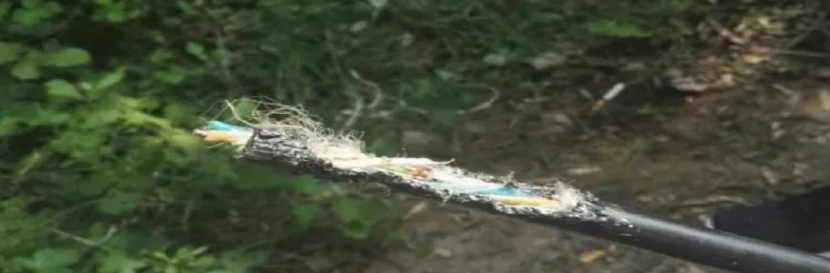
Knowing how to protect fiber optic cables from rodent damage is an important part of designing reliable outdoor networks.
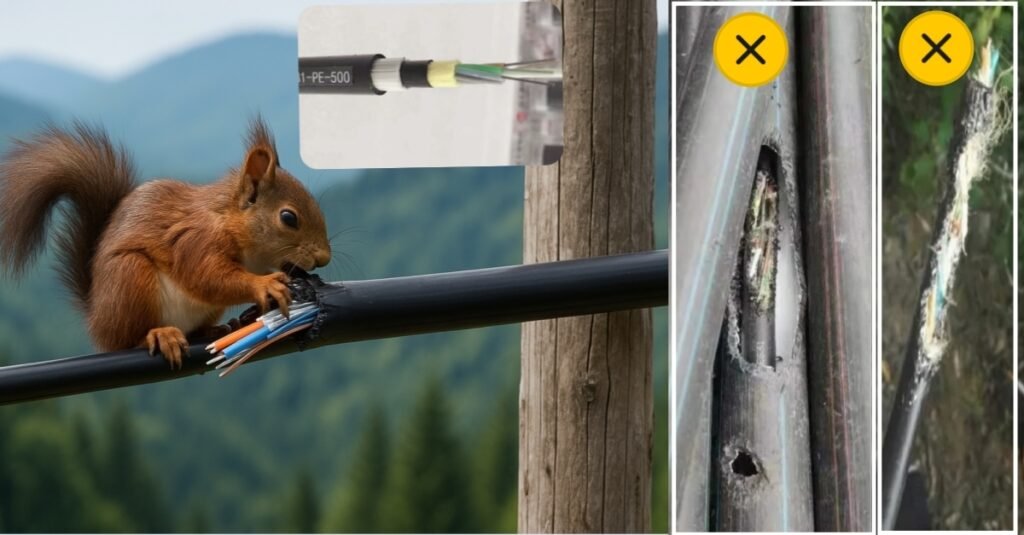
In underground ducts, direct burial routes, industrial facilities, and rural environments, rodents may chew cable jackets and expose internal components, resulting in service interruptions and costly repairs.
Effective rodent protection requires more than simply selecting a cable. Successful deployments combine appropriate cable structures, route planning, and installation practices.
Where Rodent Damage Commonly Occurs
Rodent-related cable damage is frequently observed in:
- Underground duct installations
- Direct burial deployments
- Rural aerial routes with vegetation
- Industrial and mining environments
- Manholes and cable chambers
- Building entry points
These locations often provide shelter, food sources, or protected pathways that increase rodent activity.
Typical Field Observations
In many outdoor fiber projects, damage does not occur evenly along the entire route.
Engineers often find that failures are concentrated at specific locations such as:
- Duct entrances
- Building penetrations
- Manholes
- Slack storage loops
- Areas with heavy vegetation
A cable route may operate reliably for years while repeated failures occur at only a few high-risk sections.
For this reason, route conditions are often as important as cable selection when planning rodent protection strategies.
Cable Structures Used for Rodent Protection
Several cable designs can improve resistance to rodent damage depending on installation conditions.
Common approaches include:
- Steel tape armored fiber cables
- Corrugated steel armored cables
- Enhanced rodent-protection cable designs
- Protective conduit systems
- Specialized outer jacket materials for high-risk environments
The objective is to create physical barriers that reduce the likelihood of rodents reaching critical cable components.
Steel Tape Armored vs Non-Armored Cable
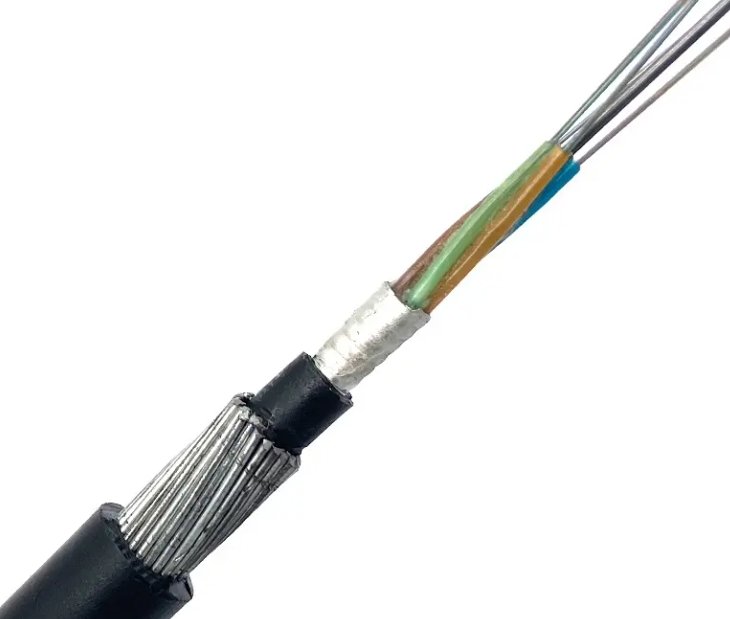
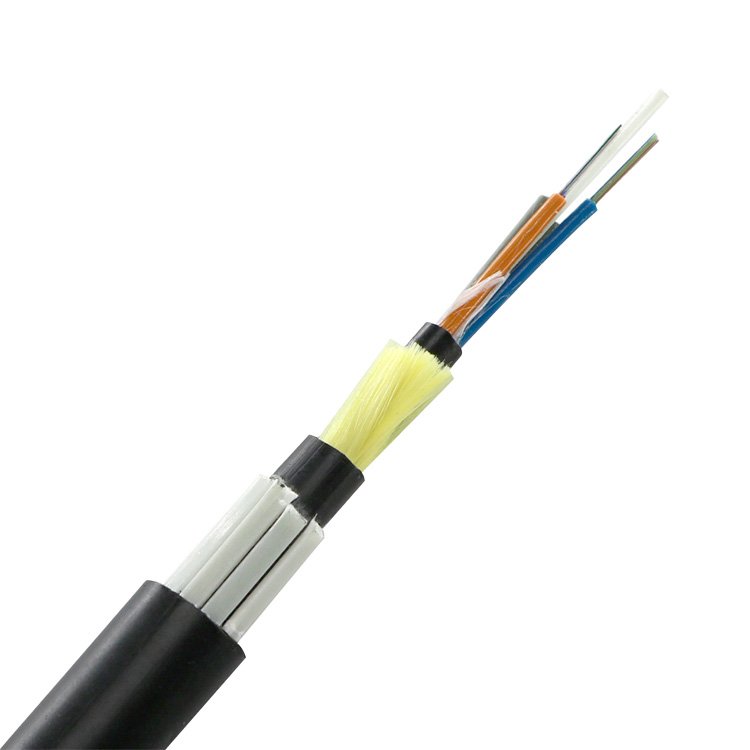
Steel tape armored cables provide a physical barrier between the outer jacket and the optical fibers.
This additional protection can significantly reduce the risk of rodent penetration in underground and direct burial installations.
Non-armored cables may be suitable for controlled environments where rodent activity is limited.
The appropriate choice depends on installation conditions rather than fiber count alone.
For example, a 24-fiber cable installed inside a protected urban duct may require a different structure than the same 24-fiber cable deployed in a rural direct-burial route.
Installation Measures to Reduce Rodent Risk
Proper installation practices also help minimize rodent damage.
Recommended measures include:
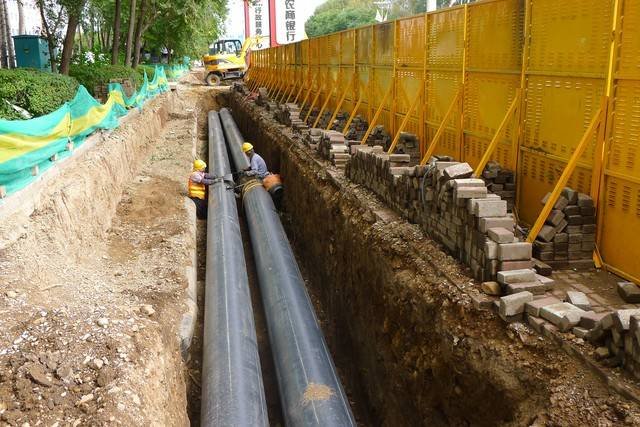
- Use protective ducts in high-risk areas
- Seal duct entries to prevent rodent access
- Avoid leaving exposed slack loops
- Install cables away from vegetation where possible
- Protect cable at building entry points
These practices reduce exposure and improve long-term reliability.
Why Cable Structure Alone Is Not Enough
Even the most robust cable design cannot eliminate risk if installation practices are poor.
Common vulnerabilities include:
- Open duct entrances
- Unsealed building entry points
- Exposed cable loops
- Damaged cable jackets during installation
- Poor route protection
In many cases, failures occur because rodents gain access through these weak points rather than because of limitations in the cable itself.
A successful protection strategy combines cable design with proper installation and route management.
Cable selection should consider both environmental risks and mechanical performance requirements. Industry testing methods for crush resistance, tensile strength, impact resistance, and environmental durability are commonly defined under IEC 60794 standards.
A common engineering question is whether armored cable alone can solve rodent-related failures. In practice, route protection and installation quality are often just as important as cable construction.
Installation Practices That Help Reduce Rodent Damage
Recommended measures include:
- Use protective ducts in high-risk areas
- Seal duct entries and cable penetrations
- Avoid leaving exposed slack loops
- Minimize vegetation contact where possible
- Protect cables at building entry points
- Inspect vulnerable sections periodically
These practices can significantly reduce long-term maintenance issues.
Rodent Risk in Aerial Fiber Deployments
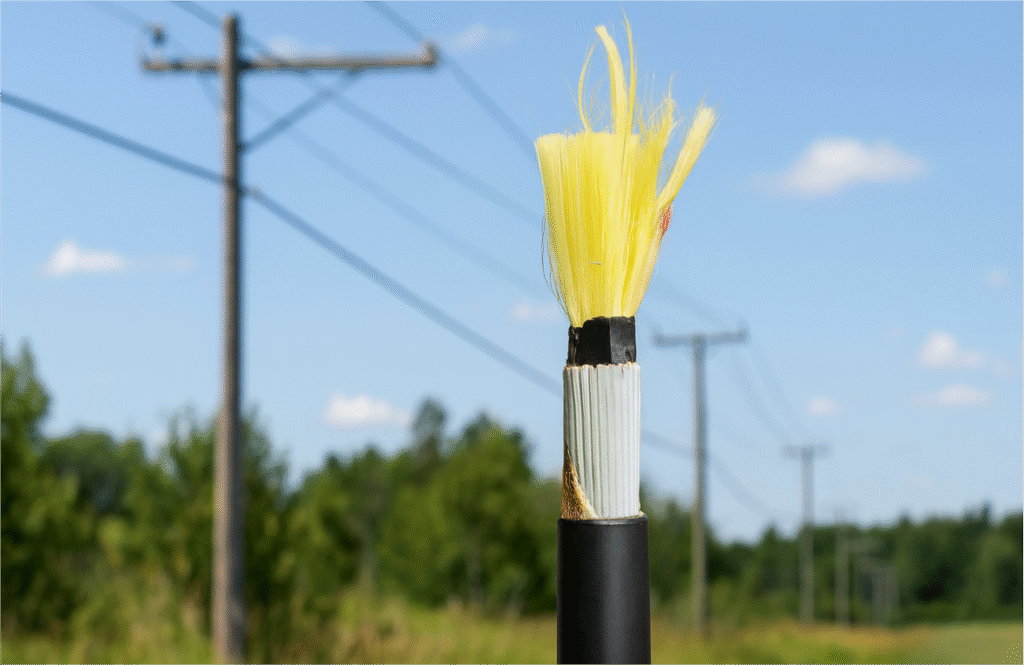
Rodent damage is generally less common in aerial installations than in underground routes.
However, problems may still occur in rural environments where vegetation provides access to poles and cables.
When rodent activity is known to be high, engineers may consider enhanced protection designs or additional route protection measures.
Environmental conditions should always be evaluated before selecting a cable structure.
How Engineers Select the Appropriate Protection Level
A common engineering question is:
“Should we upgrade to armored cable or improve route protection first?”
In practice, the answer depends on where previous failures occurred.
If damage is concentrated around building entries, manholes, or open duct entrances, route protection may provide greater benefits than upgrading the cable itself.
If repeated damage occurs along buried routes, armored cable structures are often considered
Not every project requires the same level of rodent protection.
Engineers typically evaluate:
- Installation method
- Historical rodent activity
- Vegetation density
- Maintenance accessibility
- Environmental conditions
- Expected service life
Selecting protection measures based on actual field conditions helps reduce maintenance costs and improve network reliability.
Practical Recommendations
To reduce the risk of rodent-related failures:
- Use armored cable for high-risk underground installations
- Evaluate environmental conditions before selecting cable structures
- Protect cable entry points and duct openings
- Maintain proper route protection practices
- Perform regular inspections in vulnerable areas
Combining cable selection with good installation practices usually provides the most effective long-term protection.
Key Takeaways
- Rodent damage is a common cause of outdoor fiber cable failures.
- Risk levels vary significantly between installation environments.
- Armored cable structures can improve protection in high-risk areas.
- Installation quality is just as important as cable design.
- Engineers should select protection measures based on environmental conditions rather than fiber count alone.
Frequently Asked Questions
Are armored cables always required for underground installations?
Not necessarily. The required protection level depends on rodent activity, installation method, and environmental conditions.
Can rodents damage aerial fiber cables?
Yes.Although less common than underground damage, rodent attacks may occur in rural areas where vegetation provides access to cables.
What cable is commonly used in rodent-prone environments?
Steel tape armored cable designs are commonly selected for underground and direct-burial routes where rodent activity is significant.
Is cable structure alone enough to prevent rodent damage?
No. Proper installation, route protection, and periodic inspection are also important factors.
Need Help Selecting the Right Cable Structure?
Every installation environment presents different risks.
If you’re evaluating fiber cable options for underground, aerial, direct-burial, mining, or industrial projects, our team can help review the deployment scenario and suggest suitable cable structures.
Related Resources
- How to Choose Fiber Cable for Outdoor Networks
- Steel Tape Armored vs Aluminum Tape Armored Fiber Cable
- Direct Burial Fiber Cable Selection Guide
- ADSS Fiber Cable Installation Best Practices