Reducing Long-Term Failures in Rural, Underground and Outdoor Fiber Networks
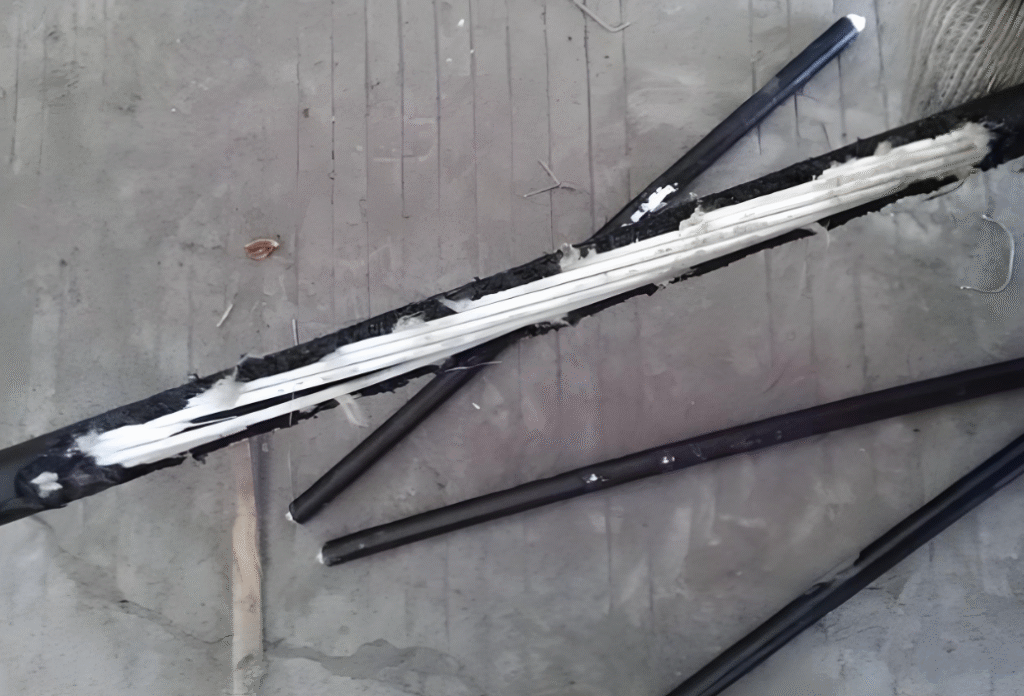
Rodent damage is one of the most common causes of fiber optic cable failure in outdoor networks.
In rural, agricultural, industrial and underground environments, rodents may gradually damage cable jackets and expose internal cable structures, leading to:
- signal attenuation increase
- intermittent service interruption
- moisture ingress
- repeated maintenance
- emergency repair costs
In many cases, the network initially works normally after installation.
The real problems often appear months later after repeated environmental exposure and progressive jacket damage.
Selecting the correct cable structure and installation method can significantly improve long-term network reliability.
Why Rodent Damage Happens
Rodents are attracted to cable environments for several reasons:
- warm underground spaces
- protected ducts and chambers
- vegetation near cable routes
- low human activity
- long-term unattended infrastructure
Unlike occasional accidental damage, rodent activity is often repetitive and concentrated in the same locations.
In some rural deployments, failures repeatedly occur near:
- underground chambers
- building entry points
- vegetation-heavy routes
- utility rooms
- exposed outdoor wall installations
Why Standard Cable Jackets Become Vulnerable
Standard PE or PVC jackets are not specifically designed to resist aggressive rodent activity.
Once the outer sheath is damaged, additional long-term risks become more likely:
- moisture penetration
- fiber microbending
- corrosion of metallic elements
- attenuation drift
- connector instability
In many underground environments, optical performance may gradually deteriorate long after the initial jacket damage occurred.
Rodent Protection Is Not Only About Thicker Jackets
One common misconception is assuming that thicker HDPE jackets automatically provide full rodent protection.
In reality, increased jacket thickness may improve general mechanical durability, but high rodent activity environments often require additional protective structures.
Long-term protection usually depends on:
- jacket hardness
- physical barriers
- route conditions
- environmental exposure
- installation method
Armored Fiber Cable for Underground and Direct Burial Routes
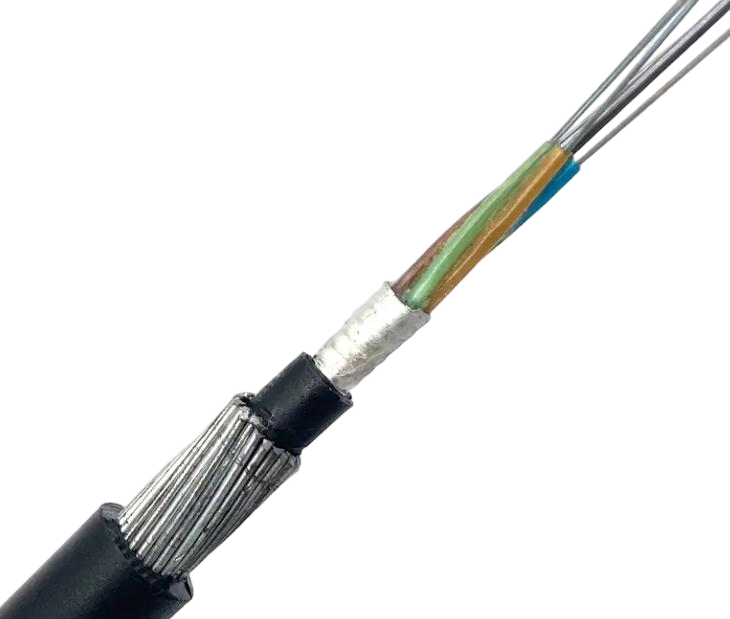
For underground ducts and direct burial installations, armored cable structures are commonly used to improve protection against external damage.
Typical examples include:
- GYTA53
- GYTY53
- steel tape armored cable
- double jacket armored cable
These structures help improve:
- crush resistance
- mechanical durability
- moisture protection
- resistance against rodent penetration
They are widely used in:
- underground fiber routes
- industrial infrastructure
- rural backbone networks
- direct burial deployment
In many underground environments, armored cable significantly reduces severe rodent-related damage.
Rodent Risk in ADSS Aerial Networks
Rodent damage is usually more common underground, but aerial networks are not completely immune.
In some rural aerial deployments, rodents or animals may access cables through:
- utility poles
- rooftops
- nearby trees
- vegetation contact
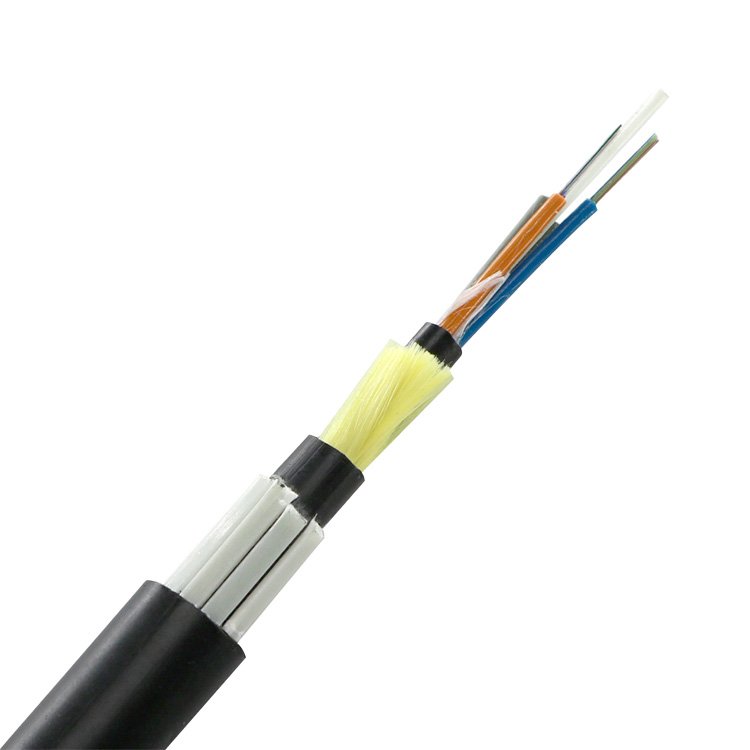
Standard ADSS cable uses aramid yarn (Kevlar) as the tensile strength member.
In some rodent-prone rural environments, additional protection may be considered because standard PE jackets alone may not provide sufficient long-term resistance.
Depending on the environment, protection structures may include:
- reinforced outer jackets
- reinforced mechanical barriers
- FRP protective layers
- enhanced outdoor sheath structures
The objective is not to make the cable “indestructible”, but to reduce long-term maintenance risk in aggressive outdoor environments.
Reinforced FTTH Drop Cable
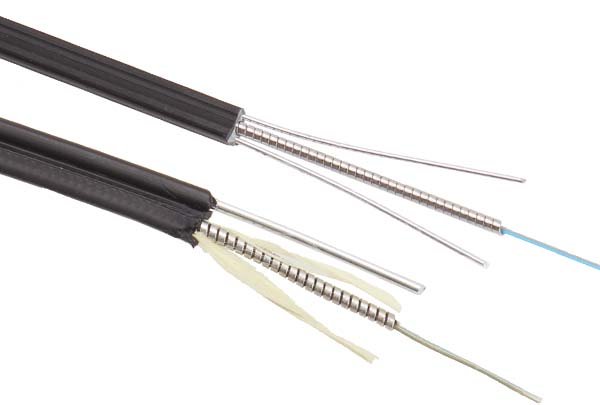
Rodent damage is also common in FTTH last-mile installations.
Especially in:
- outdoor façade routing
- exposed wall installations
- building entry points
- vegetation-heavy areas
- rural FTTH connections
Depending on the installation environment, reinforced FTTH drop cable may include:
- FRP reinforcement
- outdoor HDPE structure
- additional protective layers
- reinforced jacket designs
Indoor LSZH drop cable should generally not be used in exposed outdoor routes with humidity or rodent risk.
Installation Practices Also Matter
Cable structure alone cannot eliminate all risks.
Installation quality is equally important.
Recommended practices include:
- sealing unused duct openings
- avoiding slack cable on the ground
- reducing vegetation contact
- protecting building entry points
- using conduits where possible
- periodically inspecting vulnerable areas
In many deployments, repeated rodent damage occurs because the installation environment itself was never properly protected.
Early Warning Signs of Rodent Damage
Typical warning signs may include:
- sudden attenuation increase
- intermittent signal instability
- repeated OTDR alarms
- visible bite marks on cable jackets
- moisture ingress after rain
- repeated failures in the same route
In many networks, these signs appear gradually before complete service interruption occurs.
Typical High-Risk Deployment Environments
Additional rodent protection is commonly considered in:
- underground rural ducts
- agricultural zones
- industrial facilities
- utility chambers
- warehouse environments
- railway corridors
- highway infrastructure
- outdoor FTTH routes
The required protection level depends on actual environmental conditions and maintenance accessibility.
FAQ
Can ADSS cable be protected in rodent-prone environments?
Yes.
In some rural aerial environments, reinforced outdoor cable structures and proper installation planning may help improve long-term durability.
Are armored cables always required?
Not always.
The appropriate protection level depends on the installation environment and rodent activity risk.
Is rodent damage common in aerial networks?
Less common than underground routes, but still possible in rural aerial deployments exposed to vegetation or animal activity.
Is thicker HDPE enough for rodent protection?
Not always.
High rodent activity environments often require additional protective structures beyond standard PE jackets.
Discuss Your Deployment Environment
Rodent damage can significantly affect fiber network reliability, especially in rural Every outdoor fiber deployment presents different risks.
Factors such as:
- underground or aerial installation
- vegetation exposure
- humidity
- rodent activity
- maintenance accessibility
- rural or industrial environment
may directly affect long-term cable durability.
If you are evaluating deployment in rodent-prone environments, we can help review the installation conditions and suggest suitable cable structures according to actual field requirements.