
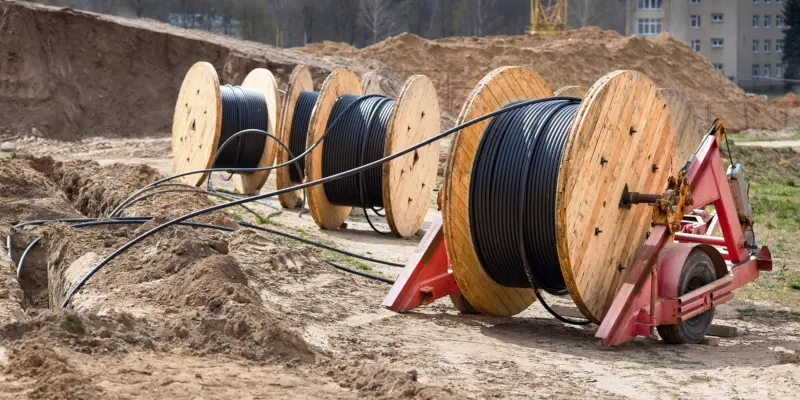
Fiber optic cable selection is one of the most important decisions in outdoor network deployment.
Choosing the right cable structure affects installation efficiency, long-term reliability, maintenance requirements, and overall project cost.
In many projects, the same fiber count can lead to completely different cable recommendations depending on deployment conditions and environmental risks.
Experienced engineers typically start with deployment conditions rather than product catalogs.
This approach helps reduce installation failures, avoid unnecessary costs, and improve long-term network reliability.
Fiber Optic Cable Selection Should Not Start with Fiber Count
One of the most common inquiries in fiber optic projects sounds like this:
“Please quote a 24-fiber cable.”
The problem is that fiber count only defines transmission capacity.
It does not determine the cable structure.
A 24-fiber route may require completely different cable designs depending on where and how the cable will be installed.
For this reason, experienced engineers rarely begin the selection process with fiber count alone.
The Five Questions Engineers Ask Before Recommending a Cable
Before discussing cable models, engineers usually focus on understanding the deployment environment.
These five questions often have a greater influence on cable selection than the fiber count itself.
1.How Will the Cable Be Installed?
The installation method affects mechanical loading, maintenance requirements, and long-term reliability.
A cable suitable for one deployment method may perform poorly in another environment.
Understanding how the cable will be deployed is usually the first step in the selection process.
2.What Environmental Risks Exist?
Environmental conditions often determine the level of protection required.
Typical risks include:
- Continuous UV exposure
- High humidity
- Flood-prone areas
- Strong wind conditions
- Rodent activity
- Industrial contamination
In many outdoor projects, environmental exposure causes more failures than manufacturing defects.
3.What Mechanical Loads Will the Cable Experience?
Mechanical protection requirements vary significantly from project to project.
Engineers often evaluate:
- Pulling tension during installation
- Long-term loading conditions
- Compression risks
- Vibration exposure
- Route accessibility
Selecting a cable without considering these factors can lead to premature failures even when the fiber itself meets specifications.
4.How Difficult Will Future Maintenance Be?
A route that is easy to access may allow simpler cable structures.
However, routes located in remote areas or difficult environments often justify additional protection because future repairs may be expensive or disruptive.
Maintenance considerations frequently influence cable selection more than initial installation costs.
5.What Infrastructure Already Exists?
Existing infrastructure often determines the most practical deployment approach.
Engineers usually evaluate:
- Available poles
- Existing conduits
- Utility corridors
- Access roads
- Network expansion plans
The most technically advanced cable is not always the most practical solution.
Why the Same Fiber Count Can Lead to Different Recommendations
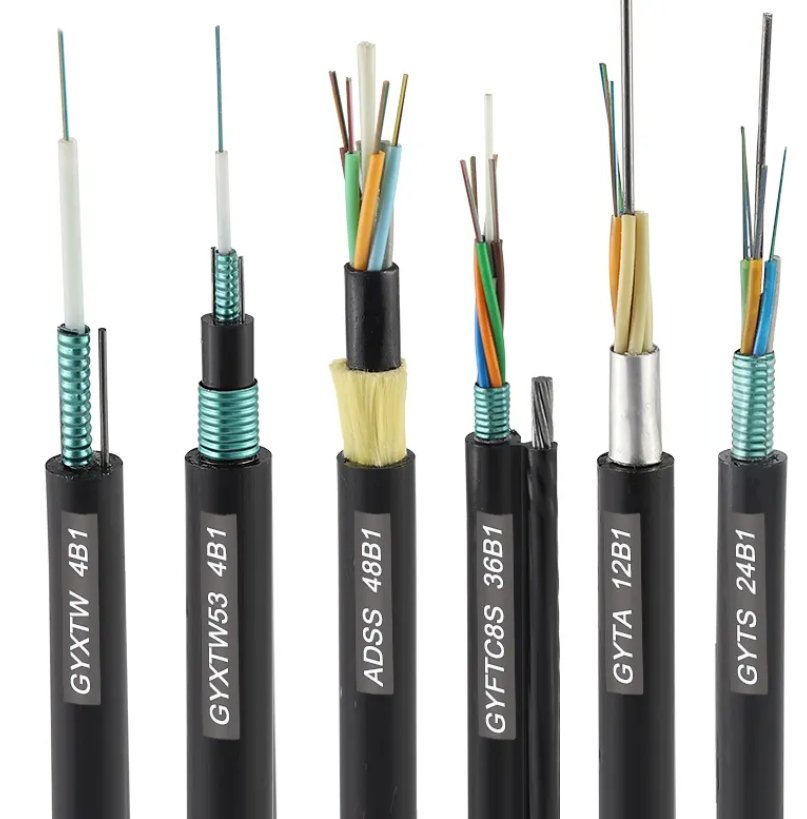
Consider a simple request:
24 fibers.
Without additional information, no engineer can confidently recommend a cable structure.
The final recommendation depends on deployment conditions rather than transmission capacity alone.
This is why successful projects are usually based on deployment requirements first and cable models second.
What Experienced Engineers Focus On
When evaluating outdoor fiber deployments, experienced engineers typically prioritize:
- Deployment environment
- Environmental risks
- Mechanical loading
- Maintenance accessibility
- Long-term reliability
Fiber count remains important, but it is rarely the primary factor driving cable structure selection.
A Practical Rule
A useful rule in outdoor fiber deployment is:
The installation environment usually determines the cable structure.
The fiber count determines the transmission capacity.
Mixing these two decisions often leads to unnecessary complexity or incorrect cable selection.
Key Takeaways
- Fiber count alone does not determine cable structure.
- Installation conditions usually have a greater impact on cable selection.
- Environmental and mechanical risks should be evaluated before choosing a cable.
- Maintenance accessibility is often overlooked during planning.
- Successful deployments focus on system requirements rather than product specifications alone.
Frequently Asked Questions
What is the first factor engineers consider when selecting outdoor fiber cable?
The deployment environment is usually evaluated before fiber count because it determines the cable structure requirements.
Can the same fiber count require different cable types?
Yes. The same fiber count may be used in completely different deployment environments, leading to different cable recommendations.
Why do engineers ask about installation conditions first?
Installation conditions determine environmental exposure, mechanical loading, and long-term maintenance requirements.
Is the strongest cable always the best choice?
Not necessarily. The most suitable cable is usually the one that matches the actual deployment environment and project objectives.
Need Help Evaluating a Fiber Deployment Project?
Every network route presents different challenges.
If you are planning an outdoor fiber project and are unsure which cable structure best fits your deployment conditions, our team can review the installation scenario and discuss practical options based on field requirements.
Learn more:
Aerial vs Duct vs Direct Burial Fiber Cable