
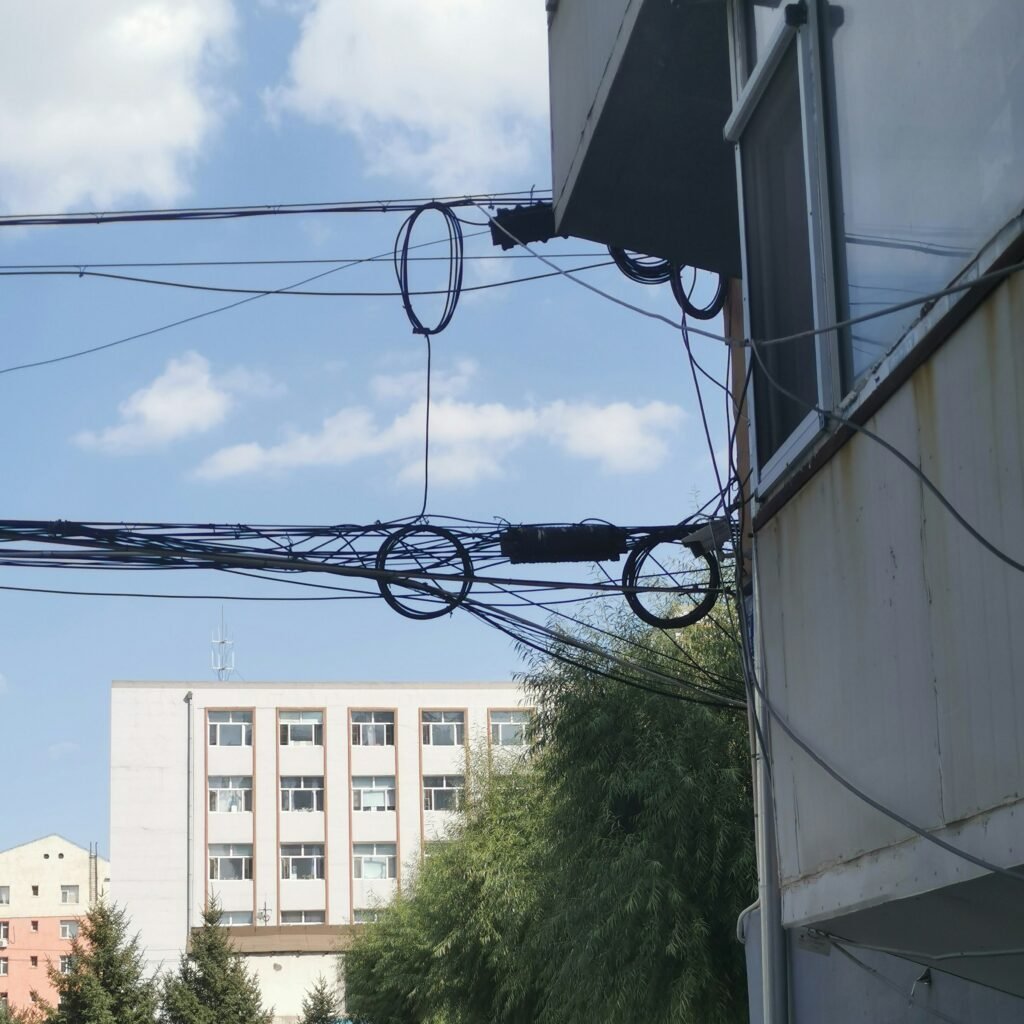
Many FTTH network problems are not caused by the fiber itself, but by installation mistakes made during deployment.
Even when materials meet specifications, poor routing, incorrect handling, or rushed installation can lead to signal loss, callbacks, and higher maintenance costs.
Understanding common field mistakes helps improve rollout quality and long-term network reliability.
Poor Drop Cable Routing
One of the most common issues is routing drop cable without considering long-term exposure or user interaction.
Examples include:
• Cable routed across sharp edges
• Loose cable hanging near doors or windows
• Cable exposed to repeated movement
• Poor appearance on building facades
Good routing should protect the cable and maintain a clean installation path.
Excessive Bending Radius
Fiber cables should not be bent below the recommended minimum radius.
Typical causes:
• Tight corners at wall entry points
• Sharp bends inside boxes
• Over-compressed loops behind equipment
This may increase attenuation or create hidden future faults.
Incorrect Fastening Methods
Improper cable fastening can damage the sheath or reduce stability.
Examples:
• Over-tightened cable clips
• Wide spacing between clamps
• Unsupported vertical cable runs
• Fastening directly over fiber stress points
Correct support intervals help maintain cable integrity.
Using the Wrong Cable Type
Selecting the wrong cable for the environment is a frequent problem.
Examples:
• Indoor cable used outdoors
• Standard flat cable used for aerial span
• Non-reinforced cable in high-risk outdoor areas
Cable structure should match real installation conditions.
Weak Building Entry Protection
The building entry point is one of the most vulnerable areas in FTTH deployment.
Common issues:
• No protective sleeve through wall penetration
• Water ingress gaps
• Sharp edge contact
• Poor sealing after installation
Many failures begin at this short transition section.
Connector Handling Errors
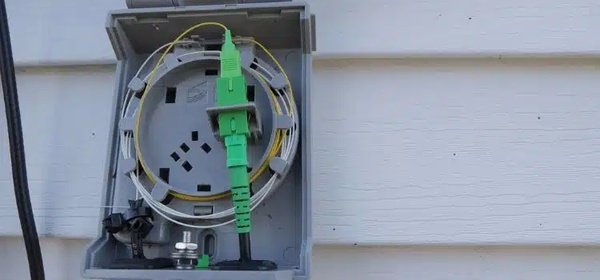
FTTH performance can also be affected by poor connector practices.
Examples:
• Dirty connector end faces
• Excessive connector stress
• Incorrect adapter seating
• Improper patch cord routing
Small connector issues can create major service complaints.
Lack of Cable Identification
During large rollout projects, missing labels often create future maintenance problems.
Typical consequences:
• Slow troubleshooting
• Wrong customer disconnection
• Confusion inside boxes
• Longer repair time
Simple labeling improves long-term efficiency.
How to Reduce Installation Errors
Recommended practices:
• Use cable types matched to deployment method
• Respect minimum bending radius
• Protect building entry points
• Maintain clean connector handling
• Label cables clearly
• Train installers on routing standards
FAQ
What is the most common FTTH installation mistake?
Poor drop cable routing and excessive bending are among the most common issues.
Can installation mistakes cause signal loss?
Yes. Bending, dirty connectors, and cable stress may increase attenuation.
Why are building entry points important?
They are transition zones where cables are exposed to stress, moisture, and sharp edges.
Conclusion
Many FTTH failures appear months after installation, even when the network passed initial testing.
Careful installation practices help reduce rework, improve customer satisfaction, and extend network life.
Need Help Reviewing FTTH Deployment Standards?
Discuss your project scenario with our team.