

Effective fiber distribution planning is one of the most important parts of a successful FTTH deployment.
Even when high-quality cables and components are used, poor distribution design can create installation delays, difficult maintenance, and unnecessary expansion costs.
Well-planned distribution networks improve scalability, subscriber activation speed, and long-term operational efficiency.
What Is Fiber Distribution in FTTH?
Fiber distribution refers to the section of the FTTH network between the feeder backbone and the final subscriber drop connection.
It typically includes:
• Distribution fiber cables
• Splitter boxes or cabinets
• Fiber terminals
• Building distribution points
• Drop cable connection locations
This section determines how efficiently subscribers can be connected.
Main Distribution Architecture Models
Centralized Splitter Design
Optical splitters are installed in one main location.
Typical advantages:
• Easier centralized management
• Fewer splitter locations
• Simplified inventory control
Common considerations:
• Longer drop cable routes
• Higher demand on cabinet capacity
Distributed Splitter Design
Splitters are placed closer to end users in multiple field locations.
Typical advantages:
• Shorter drop cable distances
• Faster subscriber connection
• Flexible expansion by area
Common considerations:
• More field access points to manage
• Higher maintenance complexity
Key Planning Factors
When planning FTTH distribution, common considerations include:
• Subscriber density
• Housing type (houses / apartments / mixed zones)
• Pole or duct availability
• Future growth forecast
• Distance to homes
• Technician access for maintenance
• Installation labor efficiency
Fiber Count Planning
Choosing the correct fiber count in distribution cables helps avoid early upgrades.
Examples:
• Low-density areas may use smaller fiber count cables
• Apartment zones may require higher concentration
• Growth areas should reserve spare fibers
Under-sizing often increases future costs.
Splitter Ratio Planning
Common splitter ratios include:
• 1:8
• 1:16
• 1:32
• 1:64
The correct ratio depends on:
• Subscriber density
• Optical budget
• Future expansion needs
• Service quality targets
Higher split ratios may reduce signal margin.
Terminal and Box Placement
Distribution boxes should be placed where installation and maintenance remain practical.
Recommended considerations:
• Easy technician access
• Protection from damage
• Logical route branching
• Capacity for future connections
• Clean cable management inside boxes
Poor placement often increases installation time later.
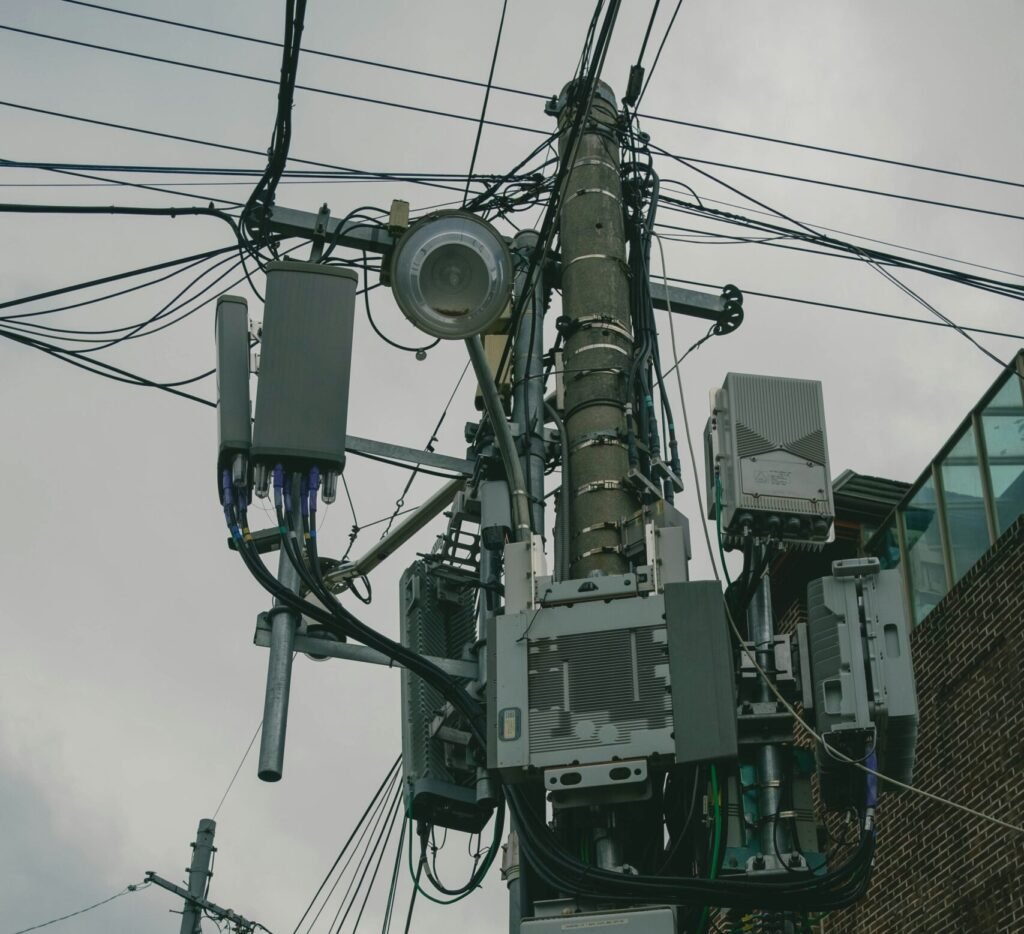
Common Planning Mistakes
Typical errors include:
• Underestimating future subscriber growth
• Overloading one splitter location
• Long and inefficient drop cable routes
• No spare fibers reserved
• Difficult-to-access terminal locations
• Inconsistent labeling between zones
Urban vs Rural FTTH Distribution
Urban Areas
Often require:
• Higher density terminals
• Building distribution planning
• Compact routing paths
Rural Areas
Often require:
• Longer spans
• Wider coverage zones
• Efficient use of splitter locations
FAQ
What is the best splitter ratio for FTTH?
There is no single answer. It depends on optical budget, density, and expansion strategy.
How many spare fibers should be reserved?
This depends on growth expectations, but future reserve capacity is strongly recommended.
Is centralized or distributed splitting better?
Both can work well depending on geography and deployment model.
Conclusion
Good FTTH fiber distribution planning reduces installation delays, improves activation efficiency, and supports long-term growth.
The best designs balance current subscriber needs with future expansion flexibility.
Need Help Planning FTTH Distribution?
Discuss your network scenario with our team.