Why Many Outdoor Fiber Problems Appear Months After Installation
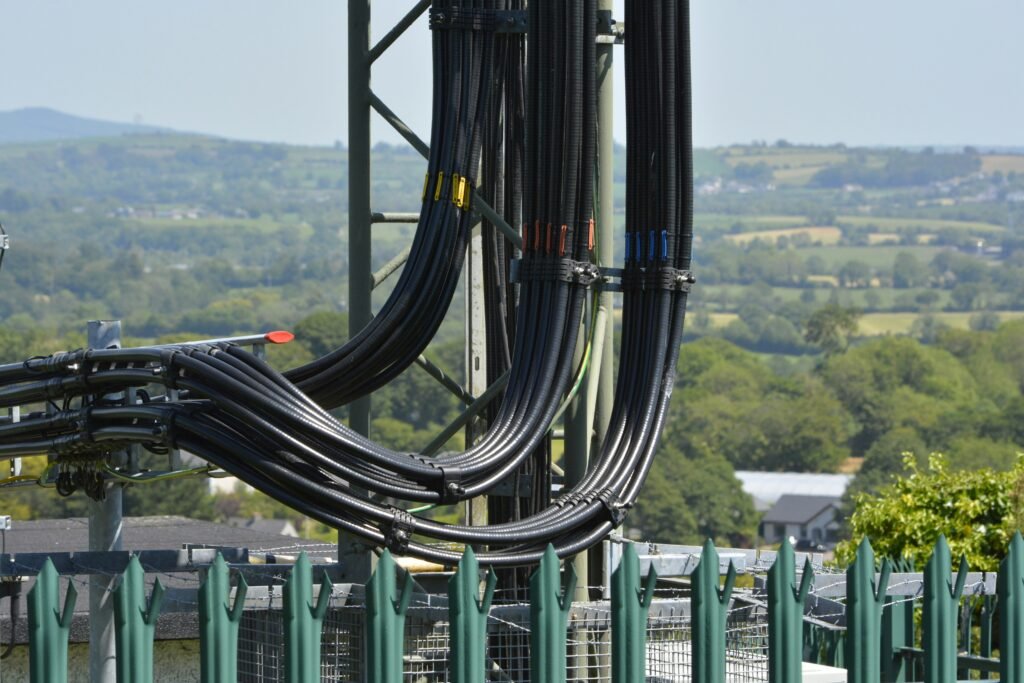
Outdoor fiber optic networks are constantly exposed to:
- mechanical stress
- UV radiation
- humidity
- temperature changes
- wind vibration
- installation pressure
However, many outdoor fiber failures are not caused by defective fiber itself.
In many projects, the network initially passes OTDR testing and works normally during commissioning.
The real problems often begin later:
- intermittent attenuation increase
- unstable links
- repeated alarms
- moisture ingress
- maintenance escalation
In many cases, the root cause is related to installation conditions, cable selection or long-term environmental stress.
Incorrect Cable Selection
Selecting a cable structure that does not match the installation environment is one of the most common causes of long-term failure.
Typical examples include:
- using non-armored cable for direct burial
- using indoor cable outdoors
- selecting standard ADSS structures for long spans without proper mechanical evaluation
- using drop cable without UV-resistant jacket in exposed environments
The network may initially function correctly.
However, environmental stress gradually affects the cable over time.
Indoor Cable Used Outdoors
One common issue in FTTH deployments is using indoor LSZH cable in outdoor environments.
Indoor cable is normally designed for:
- protected indoor installation
- low UV exposure
- stable temperature conditions
Outdoor environments may expose the cable to:
- direct sunlight
- humidity
- thermal expansion
- rainwater
- façade movement
Over time, standard indoor jackets may crack or harden under UV exposure, especially in tropical or high-temperature environments.
For long-term outdoor deployment, HDPE jackets with UV stabilization are usually preferred.
Excessive Mechanical Tension
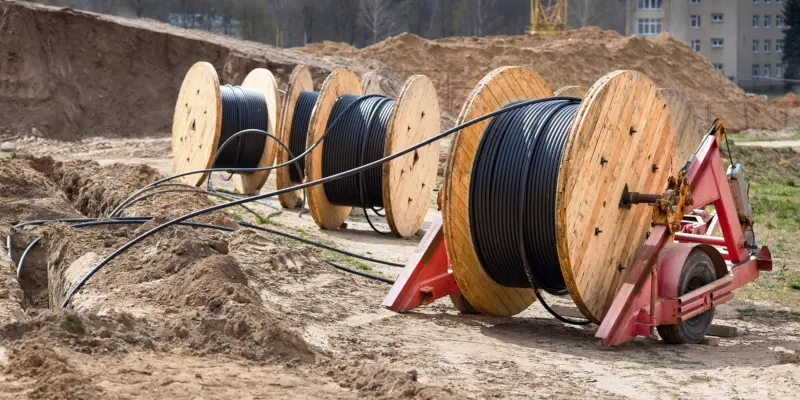
Improper pulling tension during installation may create long-term stress inside the cable structure.
Common situations include:
- excessive pulling force in duct installation
- improper sag adjustment
- insufficient service loops
- incorrect span design
- over-tensioned aerial installation
In many cases, the cable passes acceptance testing immediately after installation.
However, excessive residual stress may gradually increase attenuation later, especially at 1550nm wavelengths commonly used in GPON networks.
For aerial deployments, long-term installation tension is commonly designed below a percentage of the cable RTS (Rated Tensile Strength) to improve long-term stability.
Small Bending Radius and Microbending
Another common problem is excessive bending during installation.
This often occurs:
- near building entry points
- inside wall routing
- around poles or hardware
- inside crowded splice closures
Repeated bending below the recommended radius may gradually increase attenuation due to microbending effects.
For this reason, many FTTH deployments use G.657A2 fiber because of its improved bending performance compared with standard G.652D structures.
Environmental Exposure
Outdoor fiber cables are constantly affected by environmental conditions such as:
- UV radiation
- temperature cycling
- wind vibration
- humidity
- ice loading
- outdoor contamination
In some outdoor aerial routes, continuous wind vibration may gradually affect cable stability near suspension hardware.
In underground environments, moisture and temperature variation may slowly deteriorate vulnerable sections over time.
Long-term reliability depends not only on the fiber itself, but also on matching the cable structure to the actual deployment environment.
Moisture Ingress
Moisture ingress is one of the most underestimated long-term risks in outdoor fiber networks.
Water normally enters through:
- damaged cable jackets
- poor sealing
- unprotected building entries
- improperly sealed splice closures
- aging outdoor connections
Initially, the network may continue operating normally.
However, long-term moisture exposure may gradually increase attenuation and reduce connector stability.
For underground and outdoor installations, water-blocking cable structures are commonly used to reduce moisture migration inside the cable.
Rodent Damage
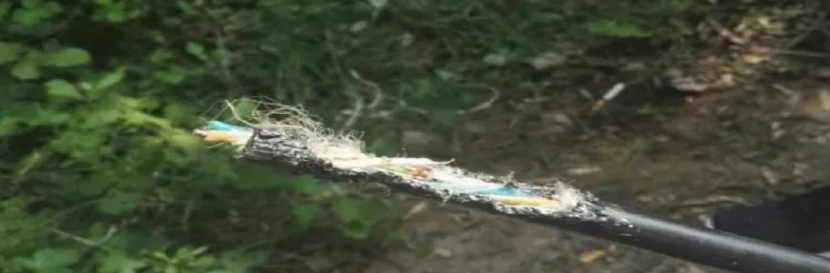
Rodent damage is especially common in:
- underground ducts
- direct burial routes
- agricultural areas
- outdoor FTTH installations
- rural broadband deployments
In many cases, the outer jacket is damaged first.
Months later, moisture ingress and mechanical deterioration begin affecting optical performance.
Depending on the environment, protection may include:
- armored cable structures
- Nylon 12 jackets
- reinforced outer sheaths
- FRP protective layers
The required protection level depends on actual field conditions.
Installation Errors
Many failures originate from installation practices rather than cable manufacturing.
Typical field issues include:
- excessive twisting
- sharp routing angles
- poor clamp installation
- insufficient cable support
- improper façade routing
- excessive clip pressure
- lack of strain relief near entry points
These problems may not immediately trigger alarms.
Instead, they gradually reduce long-term network stability.
Why Outdoor Fiber Problems Often Appear Later
One of the most confusing situations in FTTH and OSP projects is when the network initially passes all acceptance testing but later develops instability.
This happens because many environmental and mechanical problems are cumulative.
The typical timeline may look like this:
Installation completed
↓
Initial OTDR test passed
↓
Months of environmental exposure
↓
Gradual attenuation increase
↓
Intermittent alarms
↓
Maintenance escalation
This is why long-term reliability depends not only on commissioning results, but also on proper cable structure selection and installation quality.
Typical Warning Signs
Early signs of outdoor fiber problems may include:
- intermittent signal loss
- attenuation drift
- repeated OTDR alarms
- instability during temperature changes
- moisture near closures
- repeated faults in the same route
In many networks, these signs appear long before complete failure occurs.
What Should Be Evaluated Before Deployment
Before selecting cable structures or installation methods, planners usually evaluate:
- aerial or underground installation
- span length
- UV exposure
- humidity conditions
- rodent activity
- bending conditions
- maintenance accessibility
- future expansion
- installation tension
- environmental temperature range
In many projects, small installation details determine long-term maintenance performance years later.
FAQ
What is the most common cause of outdoor fiber failure?
Incorrect installation practices and improper cable selection are among the most common causes.
Does the environment affect fiber cable lifespan?
Yes.
UV exposure, humidity, temperature cycling and mechanical stress all influence long-term cable stability.
Can armored cable prevent outdoor failures?
Armored structures help improve protection in underground or mechanically exposed environments, but the cable structure still needs to match the actual deployment conditions.
Why do some failures appear months later?
Many outdoor problems are cumulative and develop gradually due to environmental exposure and mechanical stress over time.
Discuss Your Outdoor Fiber Deployment
Every outdoor fiber project has different environmental conditions.
Factors such as:
- aerial or duct installation
- UV exposure
- humidity
- temperature variation
- span length
- rodent activity
- long-term maintenance requirements
may directly affect network reliability.
If you are evaluating an outdoor FTTH or OSP deployment, we can help review the installation environment and suggest suitable cable structures according to actual field conditions.