GYTA vs GYTS fiber cable selection is a common topic in outdoor duct network projects.
When selecting fiber optic cable for duct installations, many engineers encounter these two widely used cable structures..
At first glance, both cables appear similar. Both are designed for outdoor fiber networks and both include a metallic protective layer around the cable core.
However, the choice between GYTA and GYTS is not simply a question of which cable is stronger.
The most suitable option depends on installation conditions, environmental risks, infrastructure quality, and long-term maintenance requirements.
Understanding the differences between GYTA vs GYTS fiber cable structures helps engineers choose solutions that match actual deployment conditions.
What Are GYTA and GYTS Fiber Cables?
Both GYTA and GYTS are commonly used in outdoor duct networks.
The primary difference lies in the protective layer surrounding the cable core.
GYTA
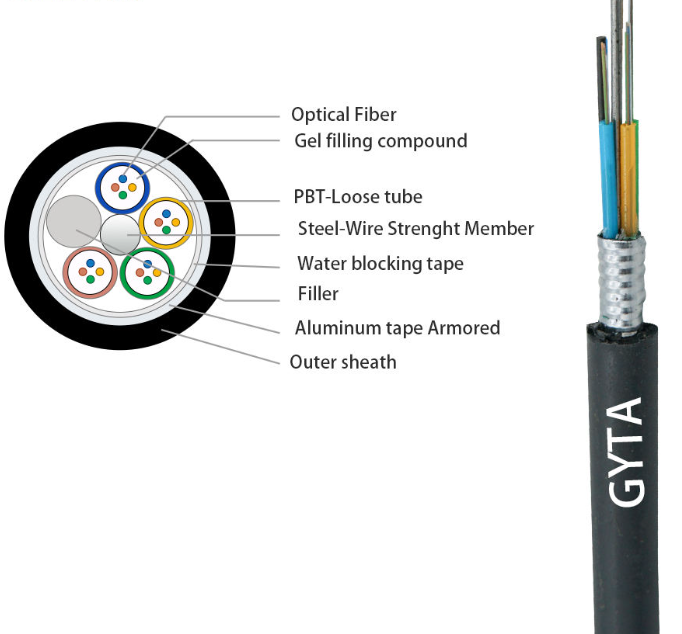
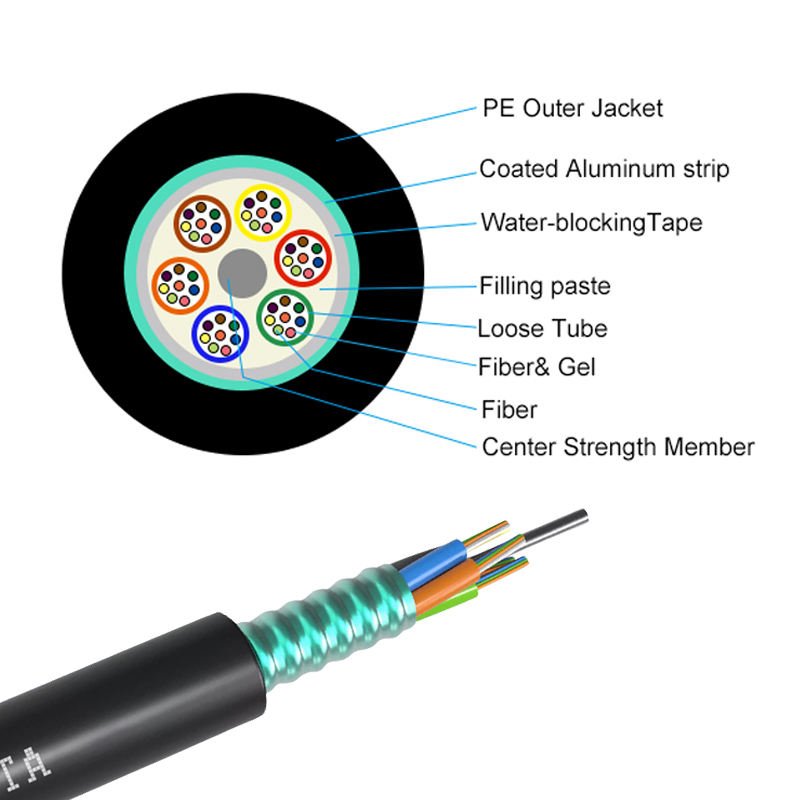
GYTA uses an aluminum-polyethylene laminate layer designed primarily to improve moisture resistance while maintaining relatively low cable weight.
Typical applications include:
- Urban duct networks
- Municipal fiber infrastructure
- Standard underground conduit systems
- Telecom backbone routes
GYTS
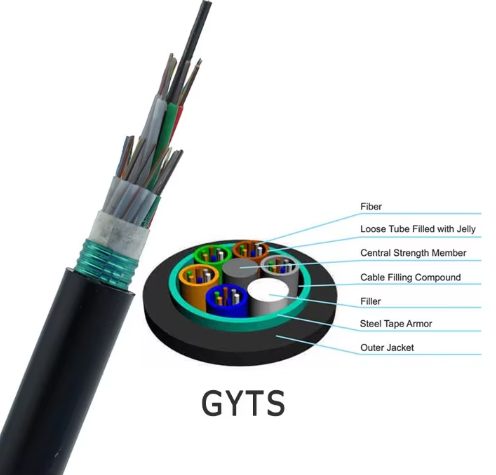
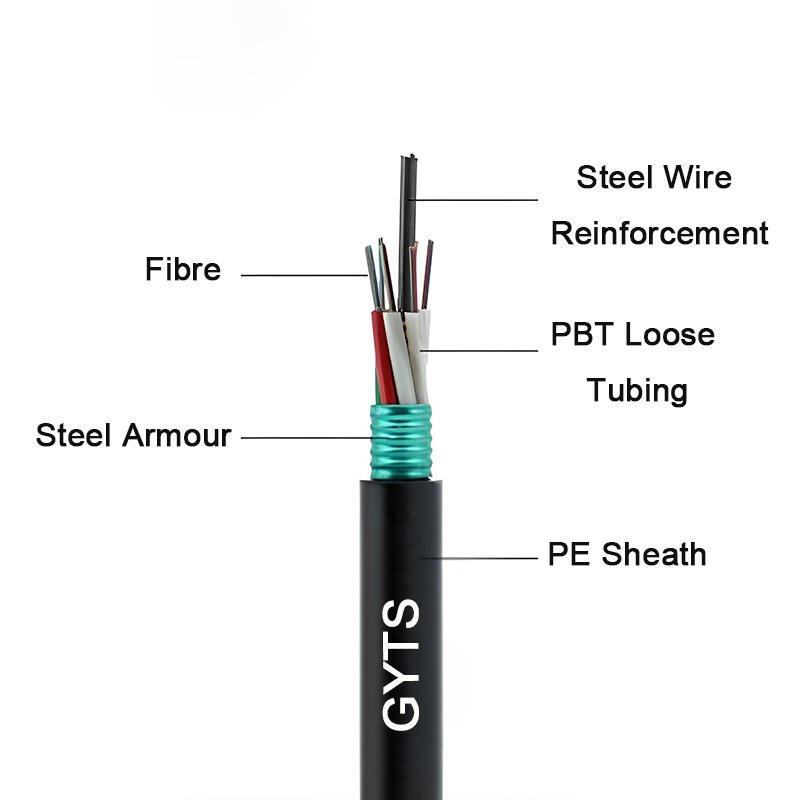
GYTS uses a steel-based protective layer that provides additional resistance to external pressure and mechanical stress compared with aluminum tape structures.
Typical applications include:
- Industrial environments
- Areas with higher mechanical loading
- Utility infrastructure projects
- Routes exposed to greater environmental stress
A Common Misunderstanding
Many people assume that GYTS is simply a stronger version of GYTA.
In practice, this is not always true.
The choice is usually determined by deployment conditions rather than maximum protection alone.
For example, a well-designed duct network already provides significant external protection.
In this situation, selecting a heavier cable structure may not provide meaningful advantages.
Experienced engineers often focus on route conditions first and cable structure second.
A Question We Often Receive
Many project teams ask whether GYTS should always be selected because it offers greater mechanical resistance.
In practice, the answer depends on the installation environment.
Where duct infrastructure already provides adequate protection, selecting a heavier cable structure may not deliver additional practical benefits.
Engineers typically evaluate the complete deployment scenario before deciding whether additional protection is necessary.
What Engineers Usually Evaluate
Before choosing between GYTA and GYTS, engineers typically review:
- Duct condition
- Mechanical loading risk
- Environmental exposure
- Route accessibility
- Maintenance requirements
- Existing infrastructure
Two routes may use the same fiber count but require different cable structures because the installation environment is different.
Why Duct Infrastructure Matters
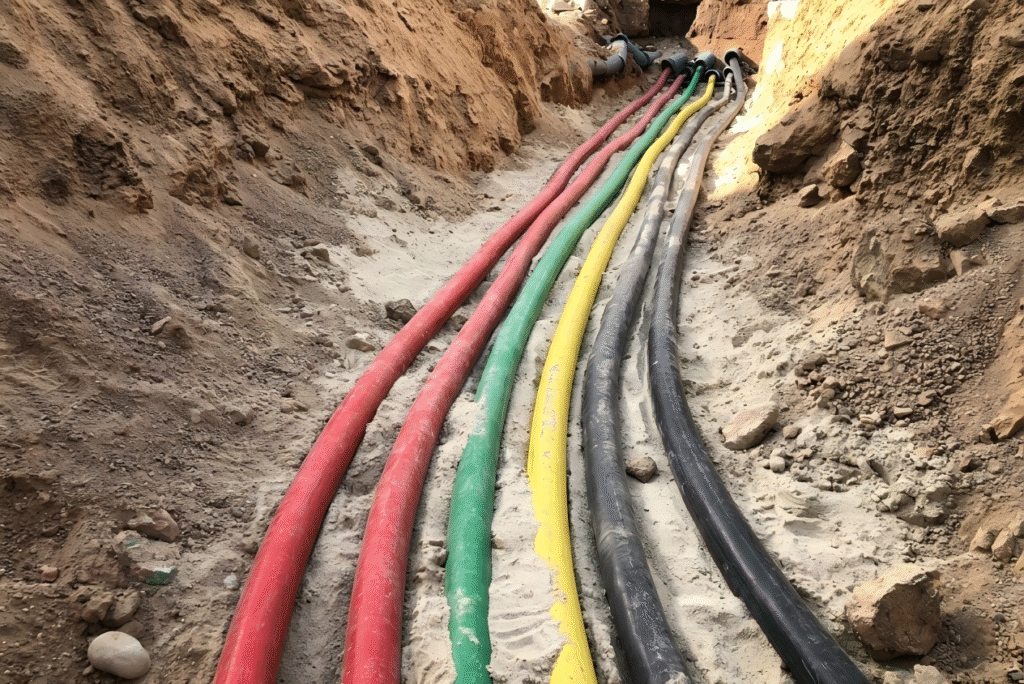
One of the most important factors is the quality of the duct system itself.
In a protected duct environment, the conduit already absorbs much of the external mechanical stress.
In these situations, GYTA is often selected because it provides moisture protection while maintaining easier handling and installation.
When duct conditions are less predictable, or where external pressure and environmental stress are greater, engineers may evaluate whether additional structural protection is beneficial.
For this reason, cable selection should always consider the complete installation system rather than the cable alone.
Typical Deployment Scenarios
Urban Duct Networks
Municipal and telecom duct systems often provide reliable external protection.
In these environments, GYTA is commonly used because the duct itself already reduces many mechanical risks.
Industrial Infrastructure
Industrial sites may expose cable routes to higher external pressure, vibration, and environmental stress.
Depending on installation conditions, engineers may prefer structures that provide additional mechanical resistance.
Utility and Infrastructure Projects
Utility routes frequently involve mixed installation environments where mechanical loading conditions vary throughout the project.
Cable selection is often based on route-specific requirements rather than a single standard specification.
When Additional Protection May Be Required
Not every outdoor deployment can rely solely on duct protection.
In environments involving:
- Direct burial installation
- Significant external loading
- Severe environmental exposure
- Higher risk of mechanical damage
engineers may evaluate more heavily protected cable structures such as double-sheath armored designs.
Examples include cable structures specifically developed for direct burial applications where additional protection is required beyond standard duct cable designs.
GYTA vs GYTS: Practical Comparison
| Consideration | GYTA | GYTS |
|---|---|---|
| Typical Environment | Standard duct networks | More demanding duct environments |
| Cable Weight | Relatively lighter | Generally heavier |
| Installation Handling | Easier handling | More robust structure |
| Mechanical Resistance | Moderate | Higher |
| Common Application | Urban and telecom ducts | Industrial and infrastructure projects |
The most suitable choice depends on actual deployment conditions rather than a single performance characteristic.
A Practical Field Observation
One common mistake is selecting a cable based only on product designation.
Successful deployments are rarely determined by cable structure alone.
In many projects, installation quality, duct condition, hardware compatibility, and route planning have a greater impact on long-term performance than the difference between GYTA and GYTS.
For this reason, experienced engineers evaluate the entire deployment environment before making a final selection.
Key Takeaways
- GYTA and GYTS are both widely used in outdoor duct networks.
- The choice should be based on installation conditions rather than product names alone.
- Well-protected duct systems often influence cable selection more than fiber count or cable structure.
- Mechanical loading, environmental exposure, and maintenance requirements should all be considered.
- System-level evaluation helps improve long-term network reliability.
Frequently Asked Questions
What is the difference between GYTA and GYTS fiber cable?
The primary difference is the protective layer surrounding the cable core. GYTA uses an aluminum-based laminate structure, while GYTS uses a steel-based protective structure.
Is GYTS always better than GYTA?
No.
The most suitable option depends on installation conditions, duct protection, environmental exposure, and project requirements.
Why is GYTA commonly used in duct networks?
In many duct installations, the duct itself already provides significant mechanical protection, making GYTA a practical and widely used solution.
When should additional cable protection be considered?
Additional protection may be considered in direct burial installations, routes with higher mechanical loading, or environments where external damage risks are elevated.
What is the difference between GYTA vs GYTS fiber cable?
The difference between GYTA vs GYTS fiber cable structures is primarily related to their protective layer design and the deployment environments they are commonly used in.
Need Help Choosing the Right Cable Structure?
Every duct network presents different installation conditions.
If you are evaluating a telecom backbone, municipal network, industrial project, or utility deployment, our team can help review the installation scenario and discuss suitable cable structures based on actual field requirements.