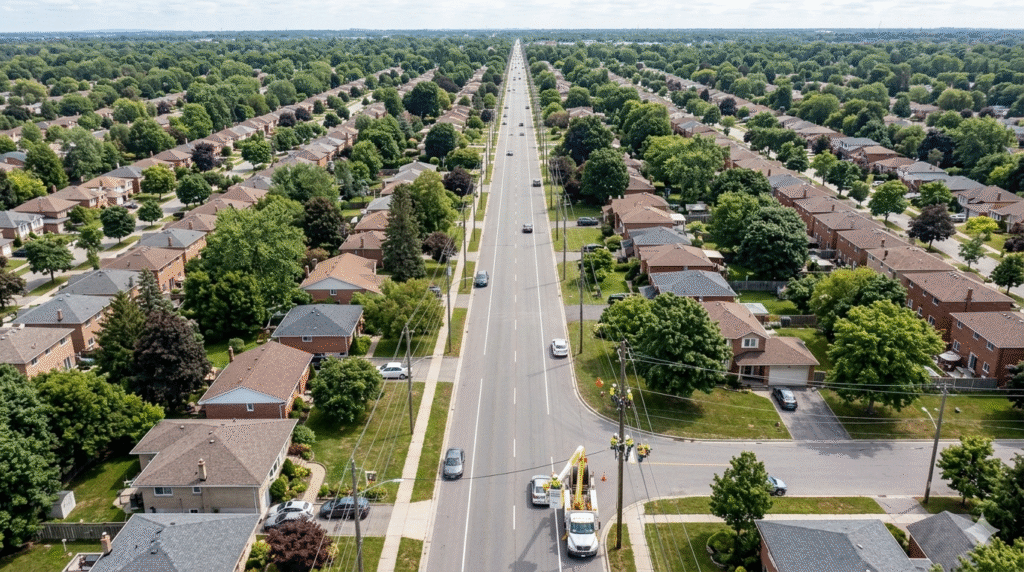
Fiber infrastructure solutions designed for aerial backbone networks,
long-span deployment, and outdoor telecom environments.
AERIAL NETWORKS • LONG-SPAN DEPLOYMENT • OUTDOOR FIBER
OSP fiber optic cable aerial installation requires careful consideration of mechanical load, span length, hardware compatibility, and environmental exposure.
This page summarizes key engineering considerations frequently encountered in real field conditions.
The goal is not just to specify a cable — but to prevent rework and long-term instability.
Deployment Scenarios
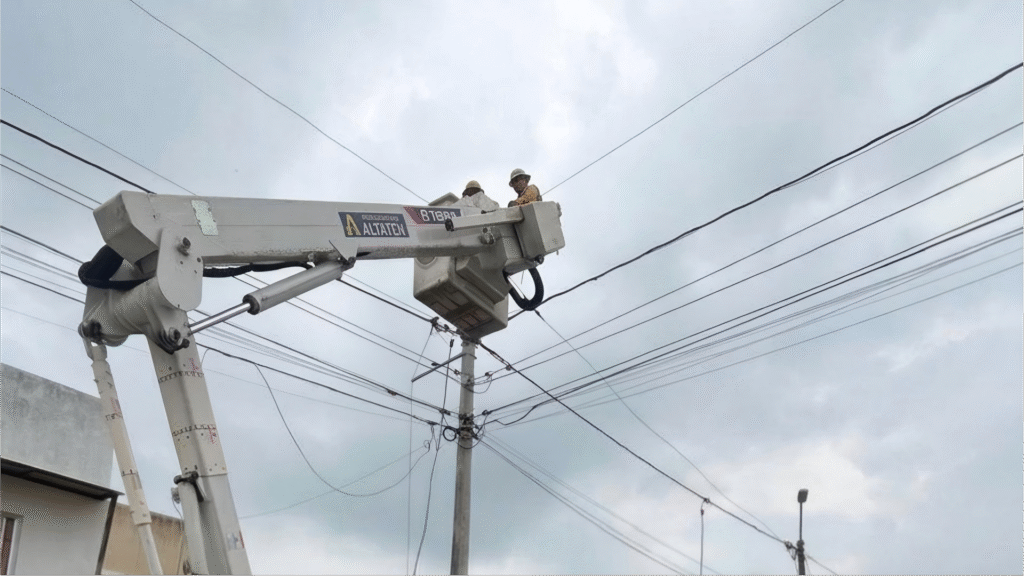
Aerial & Pole-to-Pole Deployment
Designed for self-supporting aerial routes, this scenario focuses on tensile strength, span control, and long-term stability in real outdoor conditions such as wind exposure, UV aging, and shared pole infrastructure.
Typical applications include backbone routes, rural connectivity, and long-span pole deployments.
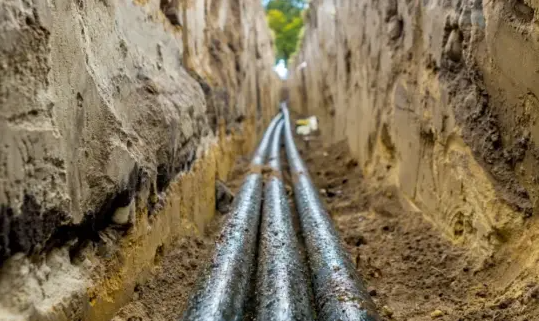
Duct & Underground Deployment
Optimized for ducted and underground environments, this scenario emphasizes pull strength, moisture protection, rodent resistance, and compatibility with existing conduit infrastructure.
These installations are common in urban fiber networks where underground conduit systems already exist.
Typical OSP System Configuration
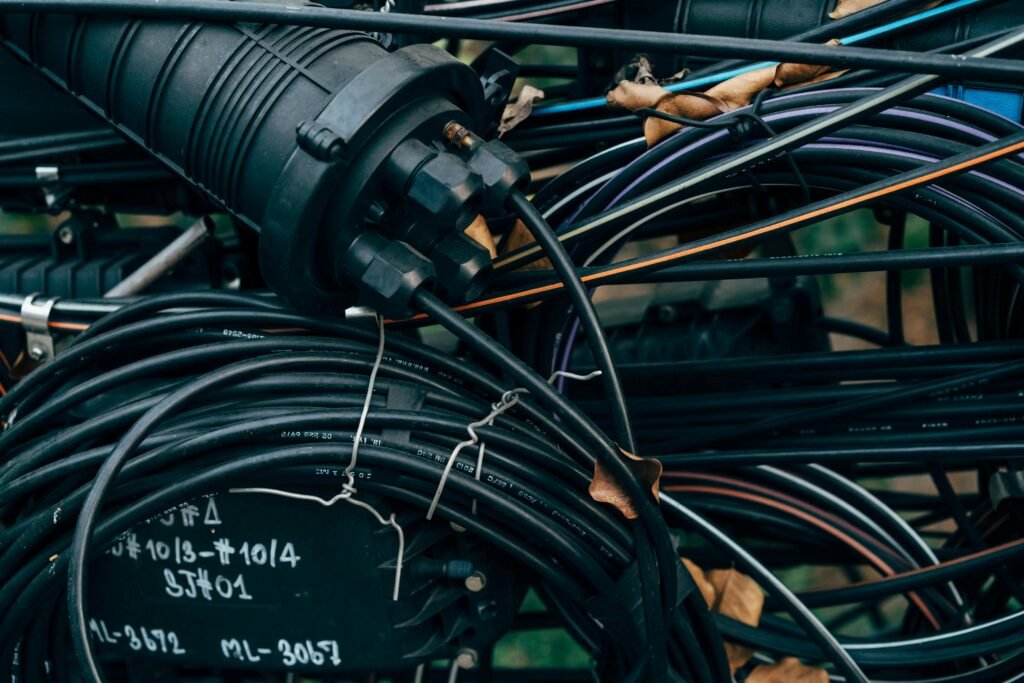
A typical OSP fiber deployment involves several interconnected components working together as a complete system.
Cable → Suspension & Dead-end Clamps → Closures → Termination
System-level matching reduces on-site uncertainty and prevents rework caused by incompatible components.
Common Field Challenges
- Over-tension during aerial installation
- Jacket damage during stripping
- Unexpected insertion loss after acceptance
- Mismatch between cable and hardware components
Many OSP installation issues do not originate from cable defects but from mismatches between mechanical conditions, installation methods, and supporting hardware.
Recommended Fiber Cables
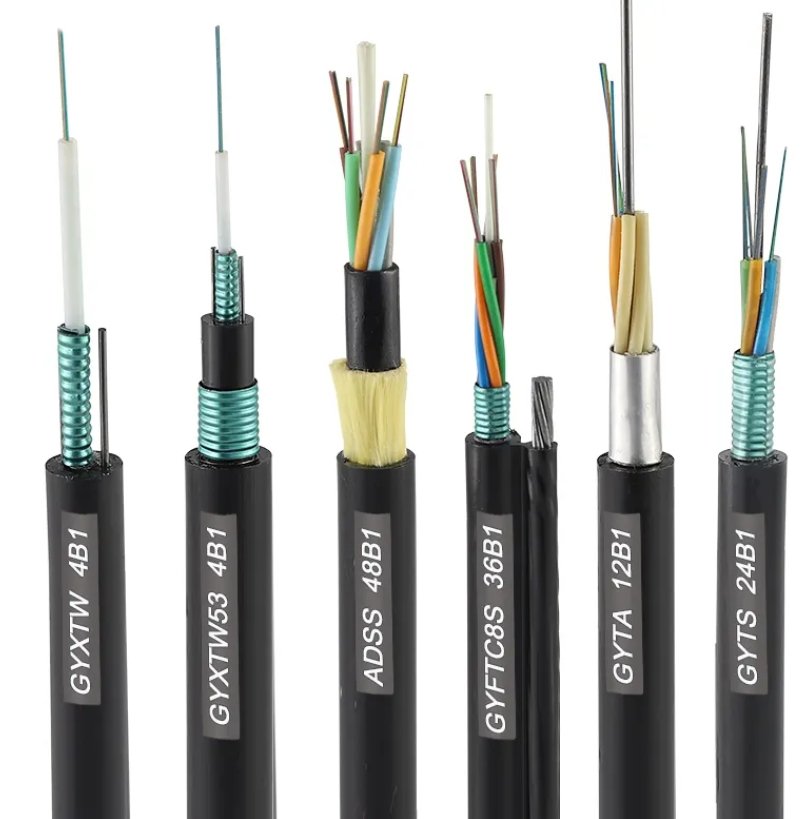
Aerial backbone networks commonly use ADSS fiber cables for long-span pole deployments.
Underground conduit installations commonly use duct fiber optic cables such as GYTA and GYTS designs.
Engineering Considerations
- Span length and load control
- Installation method and field tools
- Environmental exposure (UV, wind, moisture)
- Maintenance expectations over time
In real-world projects, OSP fiber deployment decisions should be based on mechanical behavior and system-level matching rather than catalog specifications alone.
Common Field Mistakes in OSP Deployment
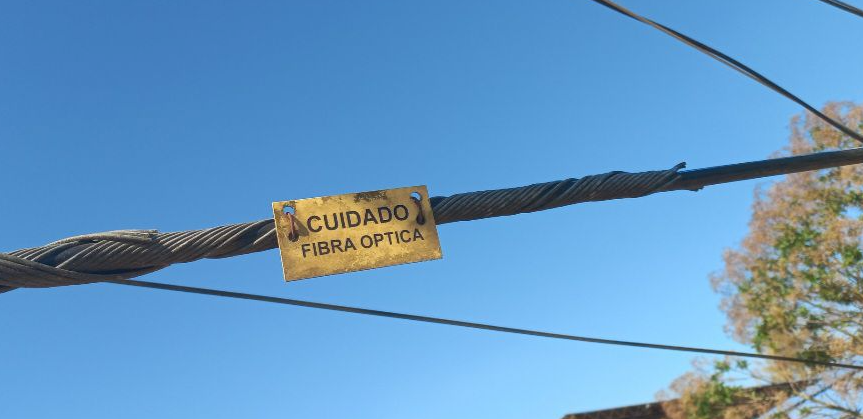
Many installation problems in OSP fiber networks are not caused by cable defects, but by incorrect engineering assumptions during planning and installation.
- Selecting cables based on price rather than mechanical requirements
- Ignoring compatibility between cables and hardware components
- Underestimating long-term UV exposure in aerial installations
- Not accounting for tension-related micro-bending during installation
Field-Based Engineering Questions
Below are common field questions encountered in aerial and duct OSP deployments
How do I select the correct cable for a 60–80m aerial span?
Span length alone does not determine cable selection. Installation tension, environmental exposure, and hardware compatibility must also be considered when selecting aerial fiber cables.
ADSS vs Messenger-supported cable: real field differences?
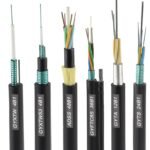
ADSS cables carry tensile load internally, while messenger-supported systems distribute load through a steel strand. The appropriate choice depends on span length, infrastructure, and installation conditions.
Why does insertion loss increase after installation?
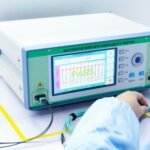
Insertion loss may increase due to micro-bending, macro-bending, excessive installation tension, poor splicing, or hardware mismatch.
Loss that is more visible at 1550nm often indicates bending-related stress.
Many of these installation challenges are discussed in more detail in our Engineering Notes section.
In real-world projects, OSP & FTTH fiber optic cable installation decisions should be based on mechanical behavior and system-level matching rather than catalog specifications alone.