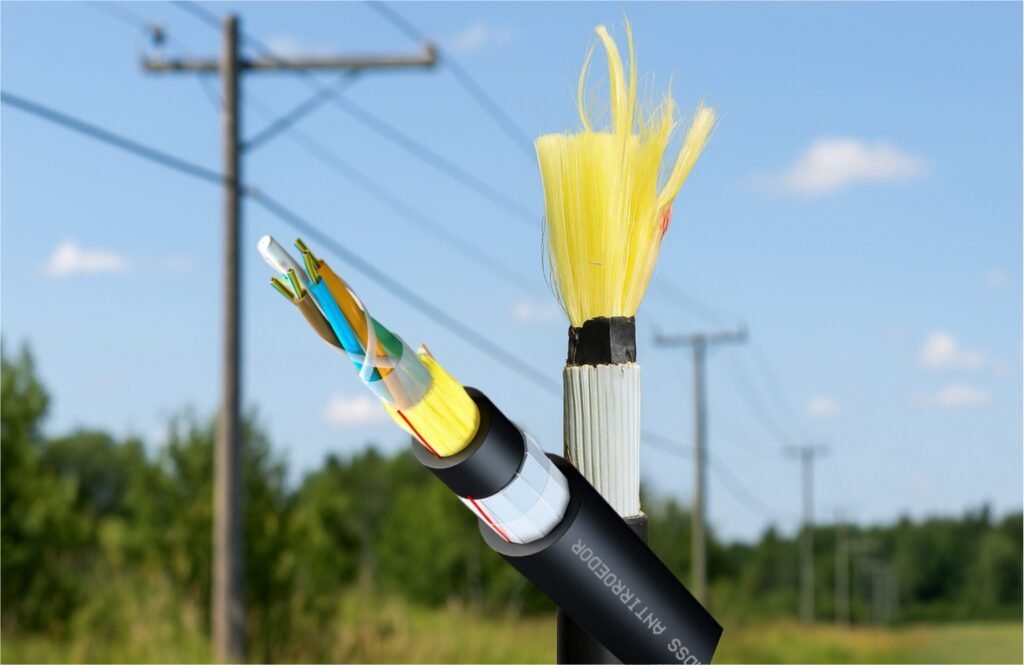
Anti-rodent ADSS fiber optic cables are designed for aerial installations where cable damage caused by rodents or wildlife is a concern.
In rural routes, agricultural areas and industrial environments, rodents and small animals may chew cable jackets, causing service interruptions and costly repairs.
By incorporating protective materials and reinforced structures, these cables improve durability in rural networks, industrial areas and environments where animal interference may occur.
Why Rodent Protection Matters in Aerial Fiber Networks
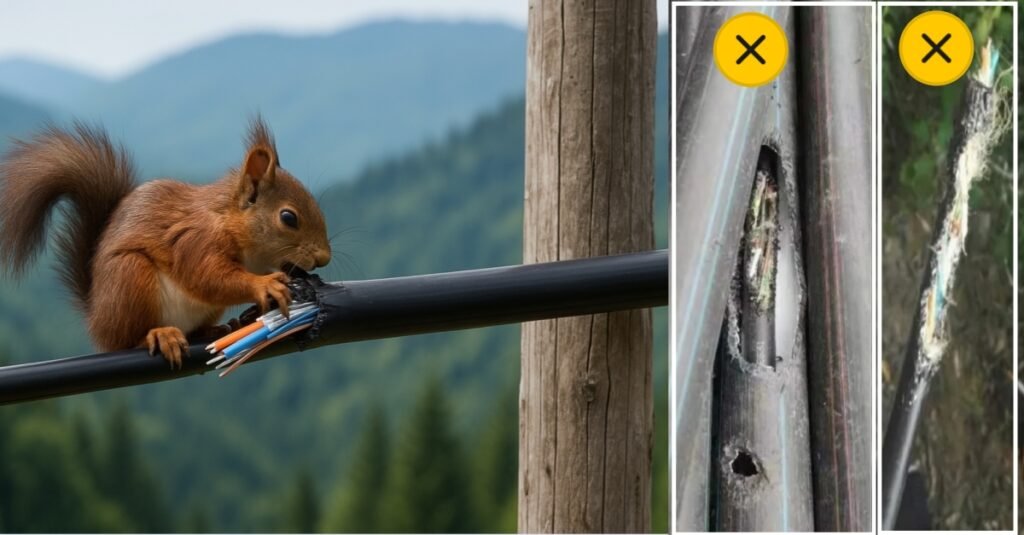
Although aerial cables are installed above ground, rodents and small animals can still damage fiber cables.
Animals may climb poles or access cables through nearby structures. In some environments, cable jackets may also attract animals searching for nesting material.
Typical Causes of Rodent Damage
- Chewing of cable jackets
- Nesting near pole hardware
- Exposure to wildlife in rural routes
- Poor cable routing near trees
Anti-Rodent ADSS Fiber Optic Cable Structure
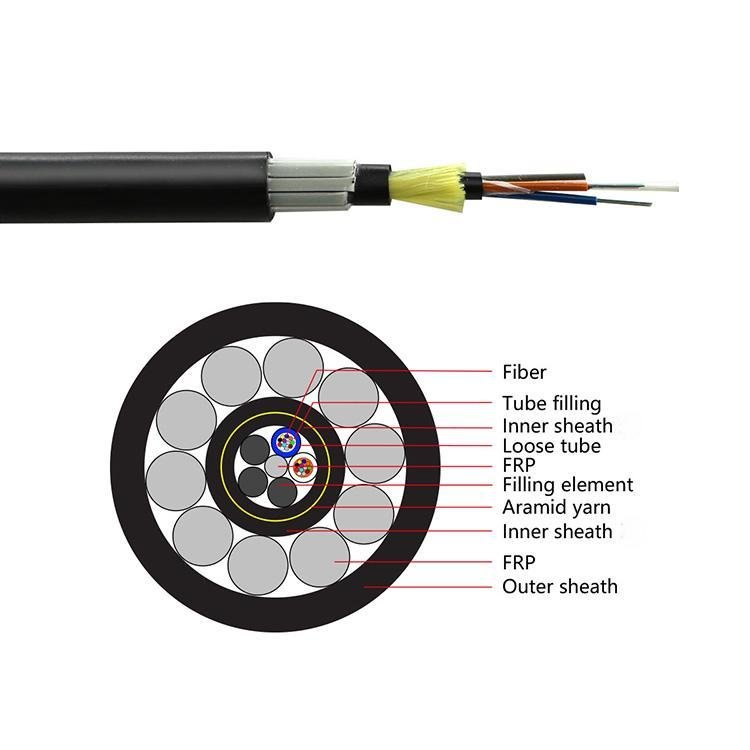
Rodent resistant ADSS cables improve protection through stronger materials and reinforced cable structures.
The design focuses on improving mechanical durability while maintaining the lightweight characteristics required for aerial installations.
- Reinforced HDPE outer sheath
- Additional protective layers
- Improved cable jacket thickness
- Enhanced mechanical strength
Typical Deployment Environments
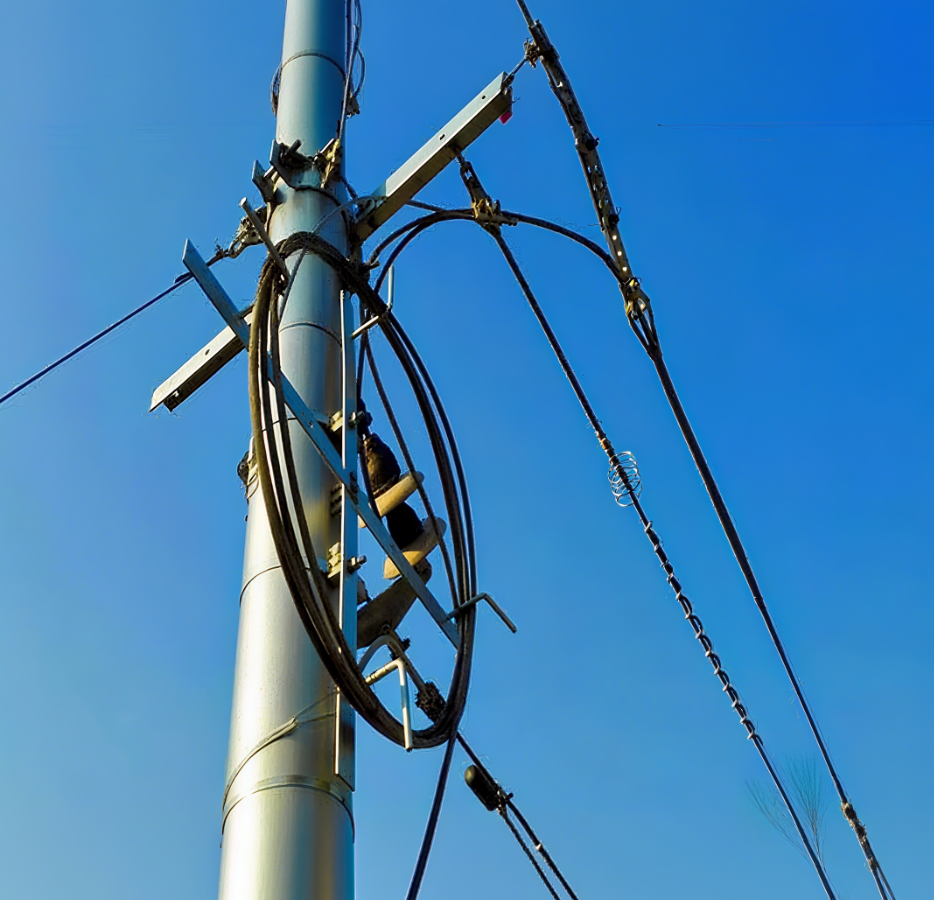
- Rural broadband networks
- Industrial areas with wildlife exposure
- Power line communication routes
- Long-span aerial fiber installations
Key Features of Anti-Rodent ADSS Fiber Cable
- Enhanced cable sheath protection
- Suitable for aerial pole installations
- Resistance to environmental exposure
- Designed for long-span aerial deployment
FAQ
What is anti-rodent ADSS fiber cable?
Anti-rodent ADSS fiber optic cables are aerial cables designed with protective materials to reduce the risk of cable damage caused by rodents or wildlife.
Where are anti-rodent ADSS cables used?
They are commonly used in rural fiber networks, power line communication routes and aerial installations exposed to wildlife activity.
What is the difference between standard ADSS and anti-rodent ADSS?
Anti-rodent ADSS cables include additional protective materials or reinforced sheath designs to reduce the risk of animal damage.
Can rodent resistant ADSS cables be used for long spans?
Yes. Rodent resistant ADSS cables can be designed for various span lengths depending on the mechanical requirements of the aerial route.
Discuss Your Aerial Fiber Deployment
Choosing the right aerial fiber cable structure is essential for reliable network operation in environments exposed to wildlife or mechanical risks.