
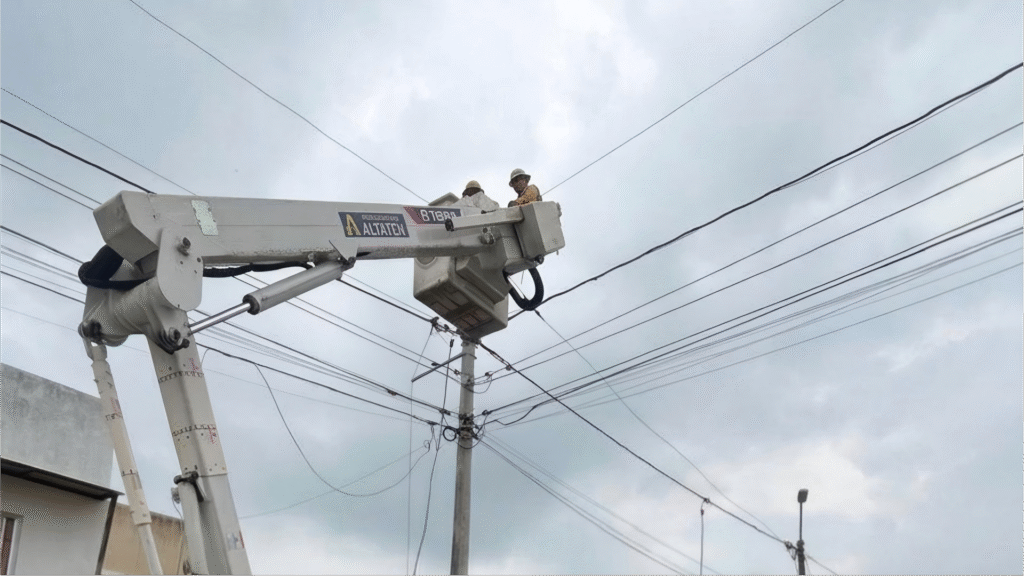
Aerial fiber optic cables are widely used in outdoor communication networks where fiber routes are installed on utility poles.
This deployment method allows fast network expansion without the need for underground construction and is commonly used in rural broadband projects, long-distance backbone routes and power utility communication networks.
Typical Aerial Fiber Deployment Scenarios
- Rural broadband expansion
- Highway communication networks
- Power utility pole routes
- Remote and mountainous regions
- Temporary or fast network deployment
Common Types of Aerial Fiber Cables
ADSS Fiber Cable
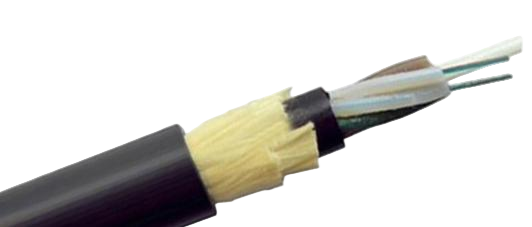
ADSS (All-Dielectric Self-Supporting) fiber cables are designed for aerial installation without the need for a messenger wire.
The cable structure uses aramid yarn strength members to support the cable span between poles.
Rodent Resistant ADSS Fiber Cable
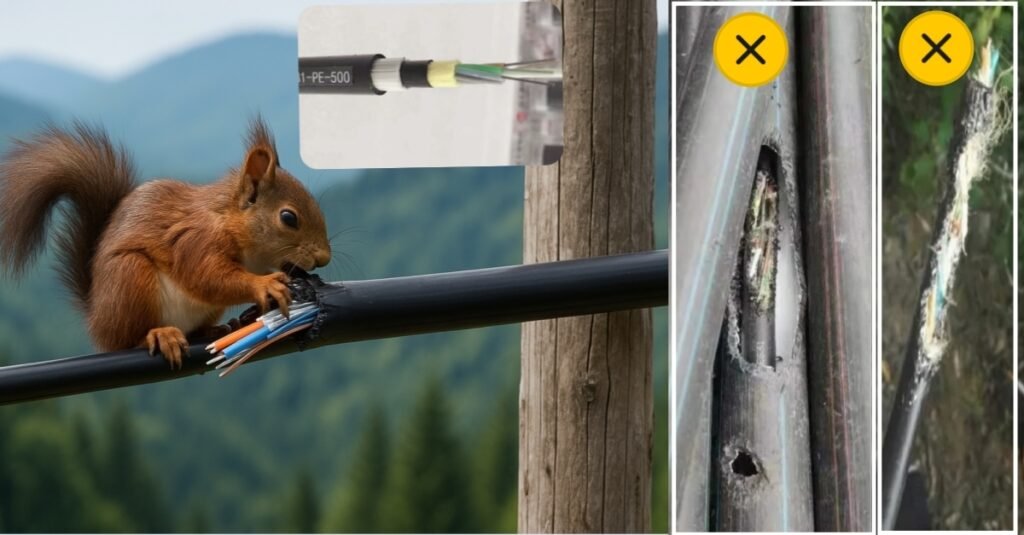
In rural or industrial environments where animal activity may damage cable jackets, rodent resistant ADSS cables provide additional protection.
These cables use reinforced outer sheath materials to improve resistance against chewing and environmental damage.
Key Engineering Considerations for Aerial Fiber Networks
- Span length between poles
- Wind and environmental load
- Cable sag and tension limits
- Installation hardware and clamps
Discuss Your Deployment Scenario
Selecting the correct aerial fiber cable design depends on span conditions, environmental factors and long-term network reliability requirements.
If you are planning an aerial fiber deployment, our team can help review the project conditions and recommend suitable cable configurations.
FAQ
What is an aerial fiber optic cable?
Aerial fiber optic cables are designed for installation on utility poles or aerial support structures without underground construction.
What is the difference between ADSS and messenger fiber cables?
ADSS cables are self-supporting and do not require a messenger wire, while messenger cables use a steel support wire.
What span lengths are typical for aerial fiber networks?
Typical aerial spans range from 50 meters to over 200 meters depending on cable design and environmental conditions.