Aerial vs Duct vs Direct Burial Fiber Cable is one of the most common comparisons in outdoor fiber network planning.
When planning an outdoor fiber optic network, one of the first decisions engineers must make is how the cable will be installed.
Aerial deployment, duct installation, and direct burial installation each place different mechanical and environmental demands on the cable.
For this reason, selecting the right cable structure is often more important than selecting the fiber count itself.
Understanding the differences between aerial vs duct vs direct burial fiber cable deployment helps engineers select cable structures that match real installation conditions.
A Common Selection Mistake
One of the most common requests in fiber optic projects is:
“Please quote a 24-fiber cable.”
However, fiber count alone does not determine which cable should be used.
The same 24-fiber network may require:
- ADSS cable for aerial deployment
- GYTA cable for duct installation
- GYTA53 cable for direct burial installation
The fiber count is identical.
The installation environment is not.
For this reason, experienced engineers usually evaluate the deployment method before recommending a cable structure.
What Engineers Usually Ask First
Before selecting a cable, engineers typically ask:
- Will the cable be installed on poles?
- Inside underground ducts?
- Directly buried in the ground?
- Is messenger infrastructure available?
- Are rodents a concern?
- What environmental conditions are expected?
These questions often determine cable selection before fiber count is even discussed.
Aerial Fiber Cable Installation
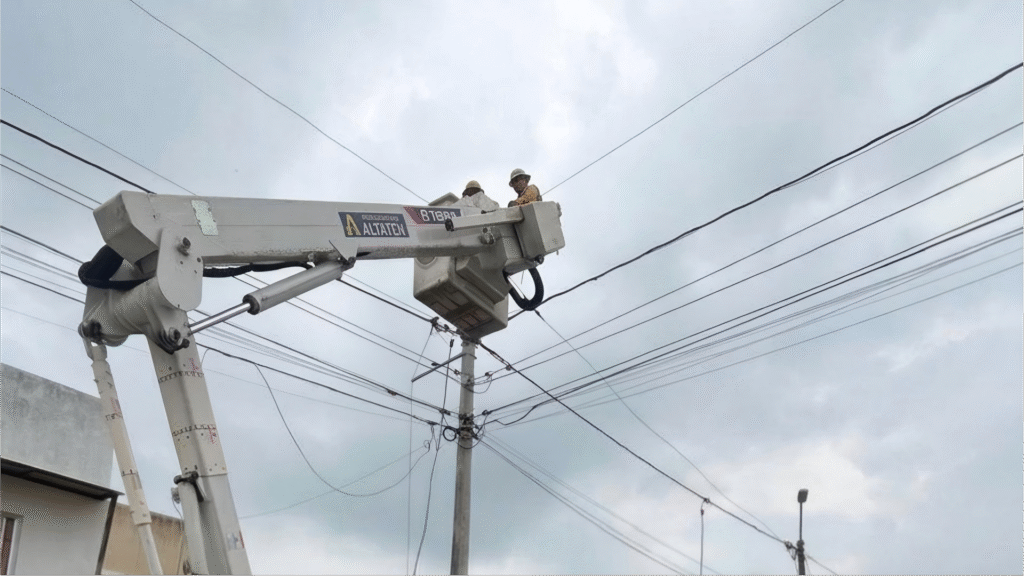
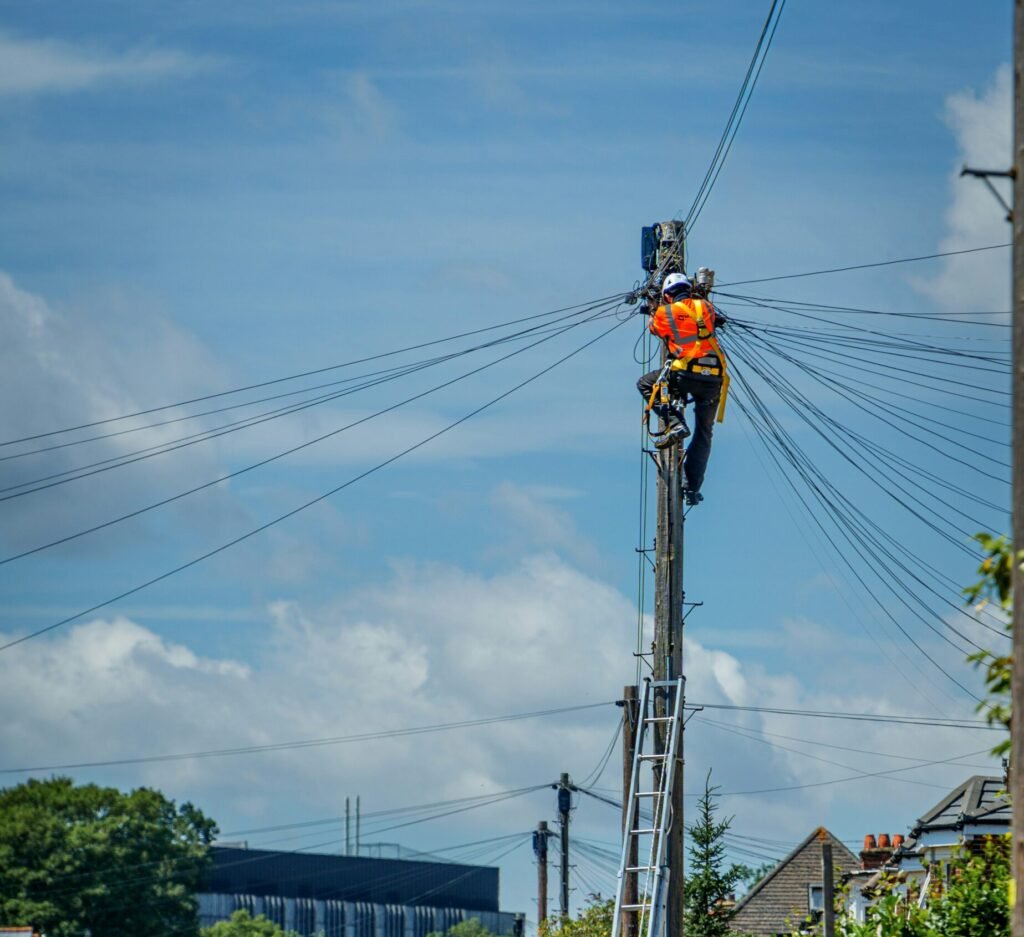
Aerial fiber cables are installed on utility poles and suspended between support structures.
This method is widely used in:
- Rural broadband networks
- Utility communication systems
- Pole-to-pole backbone routes
- Community access networks
Advantages
- Faster deployment
- Lower civil construction cost
- Easier route expansion
- Suitable for long-distance pole routes
Typical Cable Structures
The most common aerial cable structures include:
- ADSS (All-Dielectric Self-Supporting)
- Messenger-supported cable
- Figure-8 aerial cable
ADSS is widely used where dielectric cable construction is required and no messenger infrastructure exists.
Messenger-supported systems are often considered when additional mechanical support or existing messenger infrastructure is available.
Key Considerations
Engineers typically evaluate:
- Span length
- Wind exposure
- Installation tension
- Pole condition
- Hardware compatibility
Successful aerial deployment depends on matching the cable structure to actual route conditions.
Duct Fiber Cable Installation
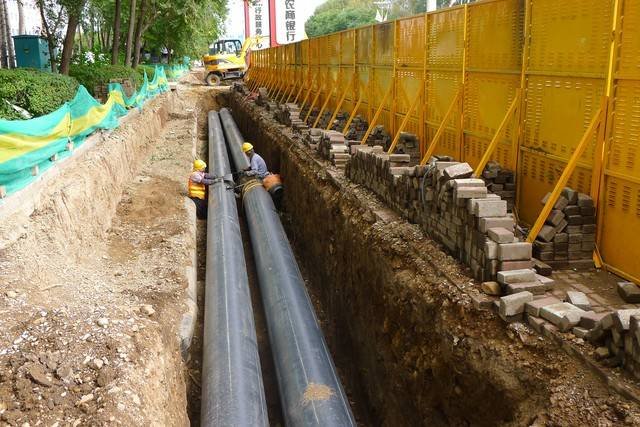
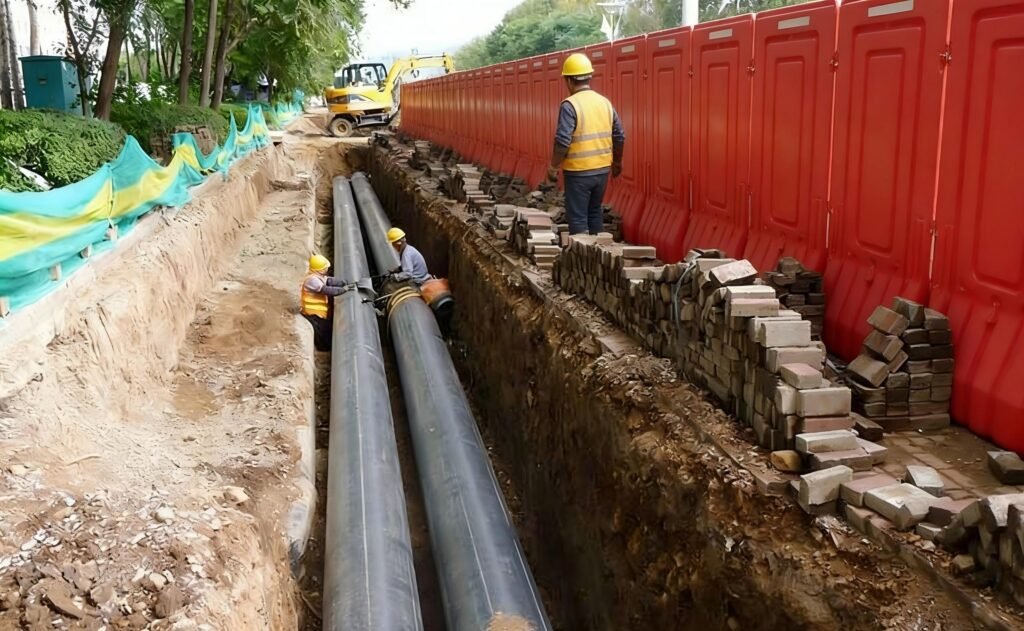
Duct fiber cables are installed inside underground conduit systems that provide protection from external mechanical forces.
This deployment method is common in:
- Urban telecom networks
- Municipal infrastructure
- Industrial facilities
- Campus networks
Advantages
- Improved environmental protection
- Easier cable replacement
- Reduced exposure to weather
- Simplified network upgrades
Typical Cable Structures
Common duct cable structures include:
- GYTA
- GYTS
GYTA uses an aluminum-polyethylene laminate moisture barrier and is widely used in standard duct installations.
GYTS uses a steel-based protective layer that may provide additional resistance to external pressure compared with aluminum laminate structures.
Key Considerations
Engineers often evaluate:
- Duct condition
- Moisture exposure
- Pulling distance
- Maintenance accessibility
- Mechanical loading risk
In many projects, the quality of the duct system itself has a greater influence on cable protection than the cable structure alone.
Direct Burial Fiber Cable Installation
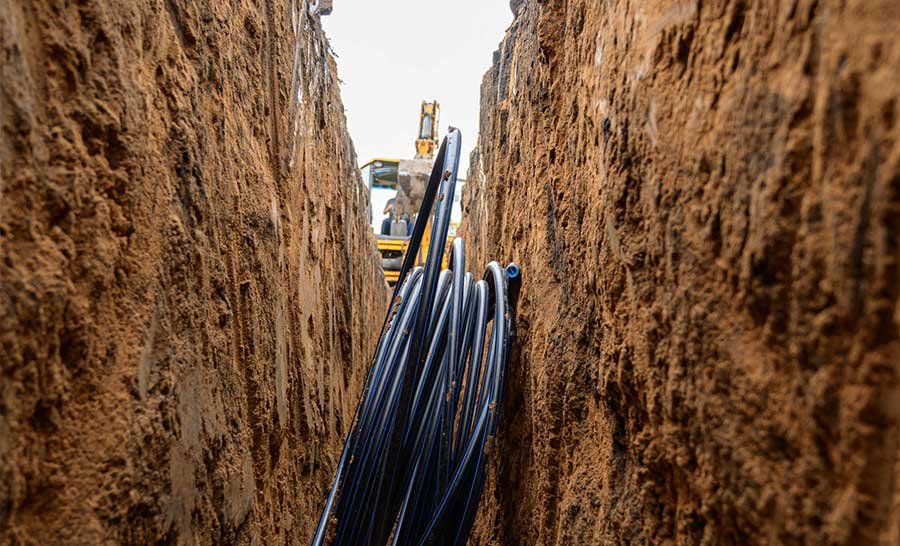
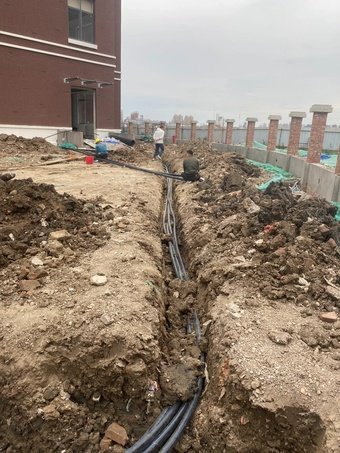
Direct burial cables are installed directly underground without conduit protection.
Because the surrounding soil becomes the primary environment, additional structural protection is often required.
This deployment method is common in:
- Rural broadband routes
- Long-distance backbone networks
- Utility infrastructure
- Areas without duct systems
Advantages
- No conduit construction required
- Suitable for remote locations
- Practical for long underground routes
Typical Cable Structures
Common direct burial cable structures include:
- GYTA53
- GYTS53
- Other double-sheath armored designs
These cable structures typically provide additional protection against:
- Soil pressure
- Mechanical impact
- Moisture intrusion
- External environmental stress
Key Considerations
Engineers often evaluate:
- Soil conditions
- Rodent activity
- Mechanical loading
- Future maintenance access
- Route accessibility
Direct burial installations usually require greater attention to long-term protection because replacing buried cable is significantly more difficult than replacing aerial or duct-installed cable.
Why the Same Fiber Count Can Require Different Cables
A common misconception is that fiber count determines cable selection.
In reality, installation environment usually plays the larger role.
For example:
| Installation Method | Typical Cable Structure |
|---|---|
| Aerial | ADSS / Figure-8 / Messenger-Supported |
| Duct | GYTA / GYTS |
| Direct Burial | GYTA53 / GYTS53 |
Each route may use the same fiber count.
However, the required mechanical protection and environmental resistance are completely different.
Typical Deployment Scenarios
Rural Pole Network
Typically uses aerial cable structures where deployment speed and construction cost are important considerations.
Urban Telecom Infrastructure
Often uses duct systems that simplify maintenance and future network expansion.
Remote Backbone Route
May require direct burial cable structures when conduit infrastructure is unavailable.
Industrial Environment
Cable selection often depends on mechanical loading, maintenance accessibility, and environmental exposure.
A Practical Field Observation
Many outdoor network problems are not caused by defective fiber.
They originate from selecting a cable structure that does not match the installation environment.
In practice, understanding how the cable will be deployed is often more important than knowing how many fibers it contains.
This is why experienced engineers usually discuss installation conditions before recommending a cable type.
Key Takeaways
- Fiber count alone does not determine cable selection.
- Installation environment is often the most important factor.
- Aerial, duct, and direct burial deployments require different cable structures.
- Proper cable selection helps reduce maintenance costs and improve network reliability.
- Evaluating the entire deployment scenario leads to better long-term performance.
Frequently Asked Questions
Which factor is more important: fiber count or installation environment?
For cable structure selection, installation environment is usually the first consideration. The same fiber count may require completely different cable structures depending on how the network will be deployed.
What cable is commonly used for aerial installation?
Common aerial cable structures include ADSS, Figure-8 cable, and messenger-supported systems
What cable is commonly used in underground ducts?
GYTA and GYTS are widely used in underground conduit systems where the duct provides the primary external protection.
What cable is used for direct burial installation?
Direct burial deployments commonly use cable structures such as GYTA53, GYTS53, and other reinforced double-sheath designs.
Can a duct cable be used for direct burial?
Not always.
Direct burial installations typically require additional structural protection compared with standard duct installations.
What is the difference between Aerial vs Duct vs Direct Burial Fiber Cable?
The difference between aerial vs duct vs direct burial fiber cable deployment lies in the installation environment, mechanical protection requirements, and cable structure used for each network design.
Need Help Choosing the Right Fiber Cable?
Every deployment environment is different.
Whether your project involves aerial poles, underground ducts, or direct burial routes, our team can help review your installation scenario and discuss suitable cable structures based on actual field conditions.